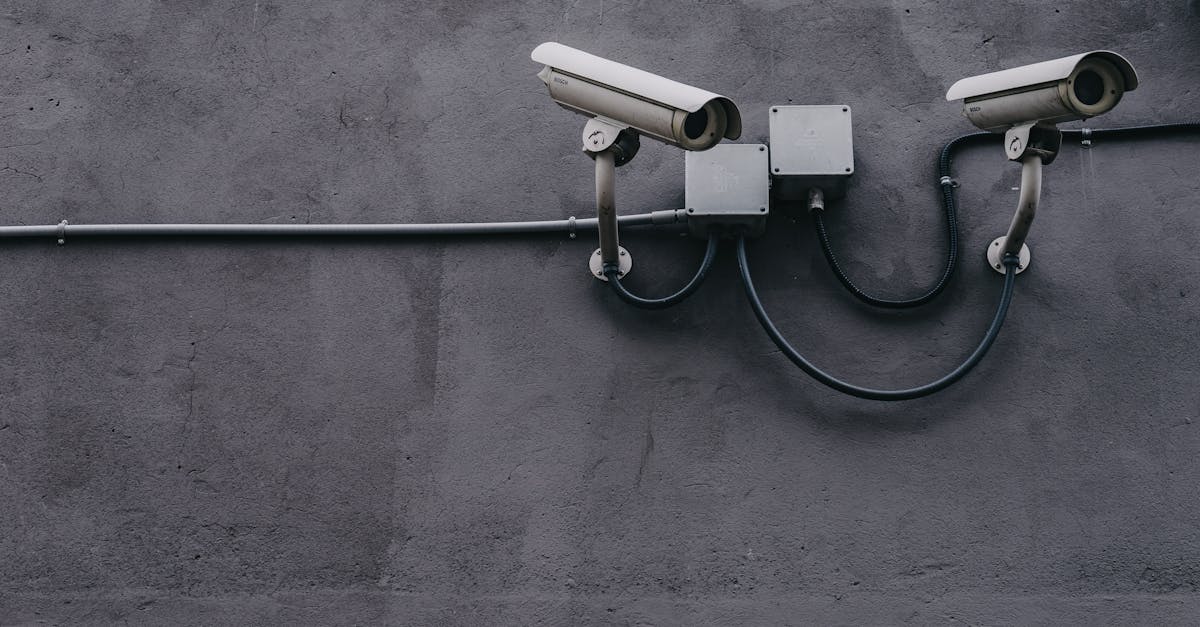
The Intersection of Technology and Surveillance Legislation
Table Of Contents
International Perspectives on Surveillance Legislation
Countries around the world adopt varying stances on surveillance legislation influenced by local cultural norms, security needs, and historical contexts. In regions like Europe, privacy is viewed as a fundamental right, which has led to strict regulations such as the General Data Protection Regulation (GDPR). These measures aim to protect citizens from excessive surveillance and ensure accountability for data handlers. Conversely, nations such as the United States prioritise national security, often expanding surveillance powers without equivalent protections for personal privacy.
In the Asia-Pacific region, nations display a mosaic of approaches to surveillance laws. Some countries embrace robust surveillance practices under the justification of public safety and crime prevention. Others struggle to balance the need for security with civil liberties. This divergence reveals challenges in establishing a unified approach to surveillance legislation despite increased interconnectivity and globalisation. As technology continues to advance, international dialogues become essential to navigating the complexities of surveillance and privacy rights.
Comparing Australia’s Approach with Global Trends
Australia has implemented a unique approach to surveillance that reflects its cultural and legal landscape. The country prioritises privacy protections while still enabling law enforcement agencies to access necessary data. Recent legislative measures, such as the Telecommunications and Other Legislation Amendment (TOLA) Act, illustrate a commitment to addressing new technological challenges in the digital age. By enabling law enforcement to obtain encrypted communication under specific legal frameworks, Australia aims to balance public safety with individuals' rights to privacy.
In contrast, other nations have adopted varying frameworks that either extend or restrict surveillance capabilities. The European Union generally emphasises stringent privacy protections, exemplified by the General Data Protection Regulation (GDPR). This contrasts sharply with the United States, where surveillance efforts are often broader and less regulated, driven by concerns over national security. These differing philosophies highlight the ongoing global debate about surveillance, with Australia navigating its path amid parallel international conversations.
The Debate Over Surveillance in Law Enforcement
Law enforcement agencies increasingly rely on advanced surveillance technologies to enhance public safety and prevent crime. Proponents argue that these tools bolster investigative capabilities and can lead to more efficient operations. The deployment of facial recognition systems, drone surveillance, and data analytics has become more common. These technologies can assist in identifying suspects and predicting criminal activity, presenting a case for their necessity in modern policing.
Critics raise significant concerns regarding privacy and civil liberties, arguing that these methods can lead to overreach and abuse of power. The potential for mass surveillance creates an atmosphere of distrust within communities, particularly among marginalized groups. There is an ongoing debate about finding a balance between maintaining public safety and respecting individual rights. This tension continues to shape the discussion around the ethical use of surveillance in law enforcement contexts.
Pros and Cons of Enhanced Monitoring Techniques
The implementation of enhanced monitoring techniques in law enforcement presents significant advantages. These tools can provide agencies with the ability to track criminal patterns, deter potential offenders, and gather vital evidence. For instance, facial recognition technology and real-time surveillance systems enable quicker response times during emergencies. Additionally, improved data analytics can lead to more efficient allocation of resources, helping to build safer communities.
However, the use of such techniques raises substantial concerns around privacy and civil liberties. Increased surveillance often leads to a chilling effect on free expression and the potential for misuse of collected data. Individuals may feel constantly watched, which can foster distrust between the public and law enforcement. Furthermore, there is a risk of disproportionate targeting of certain demographics, exacerbating existing social inequalities. Balancing these pros and cons remains a critical challenge for policymakers.
Ethical Implications of Surveillance Technology
Surveillance technology raises significant ethical concerns, particularly regarding privacy and civil liberties. The capacity to monitor individuals continuously can create a chilling effect on free expression and association. When citizens feel they are being watched, their behaviour and willingness to engage in open discourse may change dramatically. This kind of pervasive oversight can undermine the fundamental principles of a democratic society, where individuals should feel safe to voice dissent and partake in public discussions without fear of retribution.
The responsibility of policymakers in addressing these ethical dilemmas cannot be overstated. They must balance the potential benefits of surveillance technologies in enhancing security with the need to protect individual rights. Incorporating robust oversight mechanisms is essential to mitigate risks of abuse and ensure transparency in surveillance practices. An ethical framework that governs the deployment of these technologies is vital to uphold public trust while navigating the complexities of modern security challenges.
The Moral Responsibility of Policymakers
Policymakers face significant challenges as they navigate the complexities of surveillance legislation. Balancing the need for public safety with the fundamental rights of citizens is a delicate matter. As technology advances, the potential for misusing surveillance tools increases, which raises ethical concerns about privacy. Lawmakers must consider not only the immediate benefits of such practices but also their long-term implications on society.
Transparency is a crucial component in establishing trust between the government and the public. Policymakers have a moral obligation to communicate the purposes and limitations of surveillance measures clearly. Public awareness and involvement are essential to ensure that legislation reflects societal values. Ultimately, a responsible approach to surveillance requires ongoing dialogue between stakeholders to safeguard individual rights while addressing security concerns.
FAQS
What is the main focus of the article "The Intersection of Technology and Surveillance Legislation"?
The article explores the relationship between technological advancements and surveillance legislation, examining international perspectives, ethical implications, and the ongoing debate over law enforcement practices.
How does Australia's approach to surveillance legislation compare to other countries?
The article discusses Australia's surveillance legislation in the context of global trends, highlighting similarities and differences with other nations' approaches to managing technology and privacy concerns.
What are the pros and cons of enhanced monitoring techniques in law enforcement?
Enhanced monitoring techniques can improve public safety and assist in crime prevention; however, they also raise concerns about privacy violations, civil liberties, and the potential for misuse of data.
What ethical implications are associated with surveillance technology?
The article delves into the ethical dilemmas surrounding surveillance technology, including the balance between security and privacy, as well as the responsibilities of policymakers in ensuring that surveillance measures are justified and proportionate.
What role do policymakers play in shaping surveillance legislation?
Policymakers are tasked with the moral responsibility of creating legislation that governs surveillance practices, ensuring that they protect citizens' rights while adapting to technological advancements and addressing public safety needs.
Related Links
Public Accountability in Surveillance Law Enforcement PracticesThe Role of the Privacy Act in Governing Surveillance in Australia
Navigating the Complexity of Surveillance Consent Requirements
The Impact of International Treaties on Australian Surveillance Laws
Balancing Security Needs with Privacy Rights in Surveillance Legislation