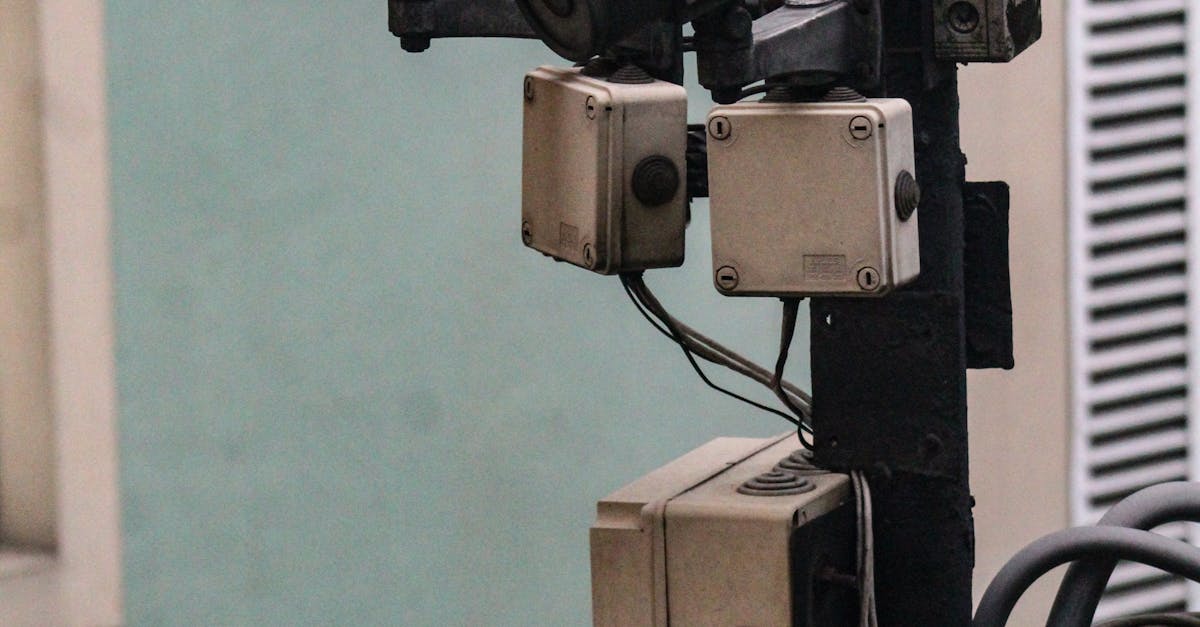
Balancing Security Needs with Privacy Rights in Surveillance Legislation
Table Of Contents
The Impact of Surveillance on Civil Liberties
Surveillance practices have increasingly permeated everyday life, often raising concerns about their implications for civil liberties. With governments and law enforcement agencies deploying sophisticated monitoring technologies, the line separating public safety from individual privacy becomes increasingly blurred. The potential for abuse of these surveillance tools poses a significant threat to the fundamental rights of citizens. Reports of overreach and misuse fuel public anxiety, prompting discussions about the adequacy of existing legal frameworks to protect personal freedoms.
The chilling effect of pervasive surveillance can severely deter free expression and dissent. Individuals may hesitate to voice opinions or engage in political activism when they fear being monitored. This atmosphere of distrust extends to various societal sectors, including media and education, where open dialogue is essential for a healthy democracy. As the landscape of surveillance evolves, so too must the conversations around maintaining a balance that prioritises both security and the inviolability of civil liberties.
Examining Case Studies of Surveillance Misuse
Instances of surveillance misuse have raised significant concerns about the erosion of civil liberties. One notable case involved the Australian Federal Police, where officers accessed the telecommunications data of a journalist without proper authorisation. This breach not only compromised the journalist's ability to protect sensitive sources but also sparked public outcry about the lengths to which authorities might go under the guise of national security. As the revelations unfolded, debates intensified about the balance between surveillance powers and the fundamental rights of individuals.
Another case that highlighted the potential for abuse occurred in the context of mass surveillance programs initiated in response to counterterrorism efforts. Public authorities utilised advanced technologies to monitor communications, raising alarms about the potential for unwarranted intrusion into private lives. This led to fears that the mechanisms designed for security could be weaponised against ordinary citizens, prompting calls for stricter oversight and accountability measures. The broader implications of such misuse underline the necessity for frameworks that ensure privacy rights remain safeguarded amidst growing security demands.
Public Perception of Surveillance Practices
Public awareness and concern regarding surveillance practices have grown significantly over the past decade. Many Australians express unease about the balance between national security and personal privacy. Recent surveys indicate that while a substantial number of citizens acknowledge the importance of surveillance for crime prevention, there is also a strong desire for transparency and accountability in how such measures are implemented. This highlights a critical tension between the need for safety and the desire to protect individual rights.
Perceptions of surveillance can vary widely depending on demographic factors such as age and political affiliation. Younger generations often exhibit a more relaxed attitude towards data collection, viewing it as a natural part of living in a digital age. In contrast, older Australians tend to be more cautious, fearing potential abuses of power and erosion of privacy. Public discussions and media narratives influence these attitudes, reflecting broader societal concerns about oversight, governmental power, and the implications for civil rights.
Survey Insights on Security and Privacy Preferences
Public sentiment regarding surveillance practices reflects a complex landscape, where citizens demonstrate a nuanced understanding of the balance between security and privacy. Recent surveys indicate a significant portion of the population expresses support for enhanced security measures, particularly in the face of rising concerns over crime and terrorism. However, this support often comes with reservations, highlighting a keenness to ensure that personal freedoms are not unduly compromised. Many respondents advocate for transparency in how surveillance technologies are deployed, emphasising the need for accountability among authorities.
The dichotomy between the demand for safety and the desire for privacy is prominently featured in survey findings. A majority of participants appear willing to accept certain levels of surveillance, but with clear limitations. There exists a strong preference for oversight mechanisms, ensuring that data collected is not misused or exploited. Interestingly, the data suggests that younger Australians exhibit a greater concern for privacy compared to older generations, suggesting a shifting perspective that may influence future legislative frameworks. These insights reveal that while there is an acceptance of some degree of surveillance, the public vigorously champions the protection of civil liberties.
International Perspectives on Surveillance Legislation
Countries around the world take varied approaches to surveillance legislation, often shaped by historical contexts and societal values. In Europe, the General Data Protection Regulation (GDPR) articulates a strong commitment to privacy rights, reflecting a broader cultural inclination towards protecting individual freedoms. In contrast, nations like China implement extensive surveillance frameworks that prioritise state security over personal privacy. This divergence raises critical questions about how different societies balance security needs against civil liberties.
Australia's legislation has evolved amid these international trends, currently leaning towards a middle ground. The Telecommunications and Other Legislation Amendment (TOLA) Act of 2018 illustrates a push for greater access to encrypted communications for law enforcement, eliciting criticism from privacy advocates. Comparatively, countries in the European Union maintain stricter safeguards against overreach. This global landscape reveals an ongoing tension, highlighting the need for dialogue about best practices and the role of public accountability in shaping these critical policies.
Comparing Australia’s Policies with Global Standards
Australia’s approach to surveillance legislation often reflects a balance between national security and individual privacy rights. The country’s framework includes a series of laws that govern the collection and use of personal data by government agencies, which are designed to align with international human rights standards. However, there is a growing concern amongst civil society groups regarding the adequacy of these protections, particularly in light of emerging technologies and their capacity for mass surveillance. The recent moves to increase governmental powers in data retention and access have raised questions about their implications on civil liberties.
In contrast to Australia, some countries have established more robust oversight mechanisms to address privacy violations associated with surveillance. For example, the General Data Protection Regulation (GDPR) in the European Union provides stringent guidelines for how personal data should be handled. These global standards emphasise transparency and accountability, often requiring explicit consent from individuals when their data is collected. As Australia reviews its existing policies, there is a pressing need to consider these international practices to ensure a more comprehensive protection of privacy rights while still addressing security concerns.
FAQS
What is the main concern regarding surveillance legislation?
The primary concern is finding a balance between enhancing security measures and protecting individual privacy rights, ensuring that surveillance practices do not infringe on civil liberties.
How does surveillance impact civil liberties?
Surveillance can lead to the erosion of civil liberties by potentially allowing for excessive monitoring, data collection, and misuse of personal information, which can create a chilling effect on free speech and personal freedoms.
What are some real-world examples of surveillance misuse?
Case studies have shown instances where surveillance technologies were employed beyond their intended purposes, leading to violations of privacy, discrimination, and unjust targeting of specific groups.
How does the public perceive surveillance practices?
Public perception is mixed; while some people support surveillance for its role in enhancing security, others express concerns about privacy violations and the potential abuse of surveillance powers by authorities.
How do different countries approach surveillance legislation?
Countries vary significantly in their approach to surveillance legislation, with some enforcing stricter privacy protections than others. Comparing Australia’s policies with global standards reveals both similarities and differences in safeguarding civil liberties while addressing security needs.
Related Links
The Impact of International Treaties on Australian Surveillance LawsThe Evolution of Surveillance Law in New South Wales
The Intersection of Technology and Surveillance Legislation
Public Accountability in Surveillance Law Enforcement Practices
Navigating the Complexity of Surveillance Consent Requirements
Recent Amendments to Surveillance Legislation and Their Implications