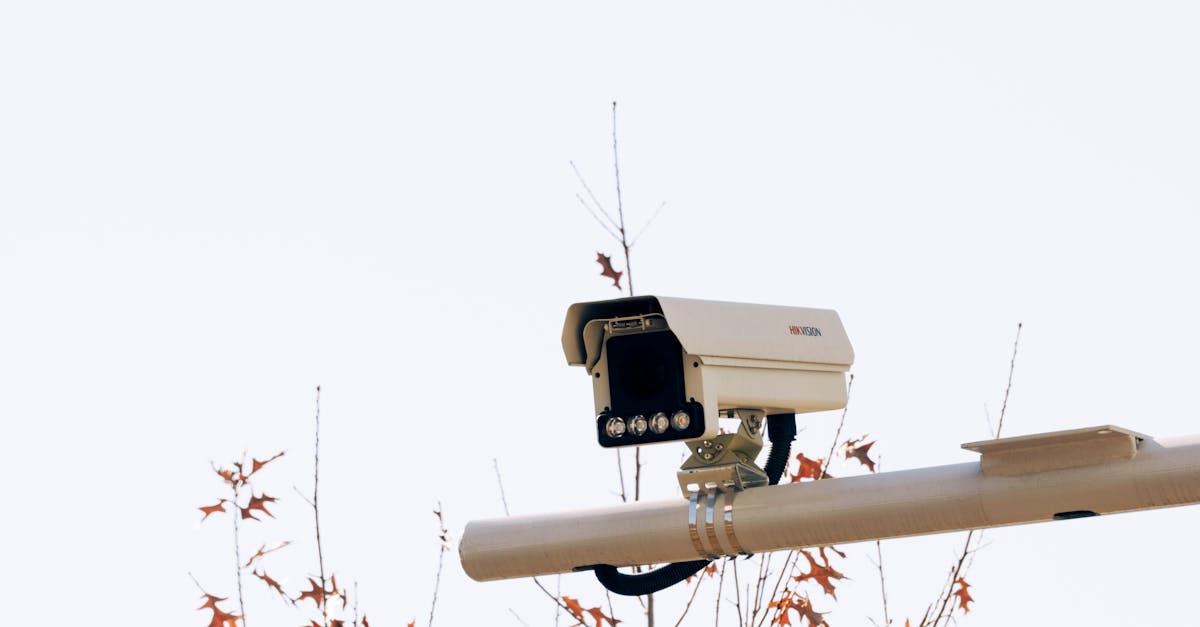
Public Accountability in Surveillance Law Enforcement Practices
Table Of Contents
Case Studies of Surveillance Accountability
Various incidents globally provide valuable insights into the accountability of surveillance practices. In the United States, the fallout from the Edward Snowden revelations prompted a significant public outcry against the National Security Agency's mass data collection initiatives. This led to calls for reform and increased scrutiny on government surveillance operations. Legislative changes followed, including the introduction of the USA Freedom Act, which aimed to limit the reach of such practices while enhancing transparency.
In Australia, the use of surveillance powers by law enforcement agencies in the wake of high-profile terror incidents has sparked debate over privacy rights. The controversial use of data retention laws raised significant concerns among civil liberties groups and the general public regarding the extent of government oversight. This ongoing discussion highlights the need for clear guidelines and mechanisms to ensure that surveillance practices are held accountable, balancing national security interests with individual privacy rights.
Lessons Learned from Past Incidents
Numerous incidents involving surveillance practices have highlighted significant gaps in public accountability. The misuse of surveillance tools by law enforcement has sparked outrage and distrust within communities. High-profile cases have revealed how inadequate oversight can lead to violations of civil liberties. These occurrences have prompted calls for stricter regulations and clearer guidelines on the appropriate use of surveillance technologies. In many instances, the lack of transparency in operations has fuelled concerns over potential abuses of power.
There is a growing recognition of the need for comprehensive frameworks that ensure accountability in surveillance practices. Past missteps have shown that without robust mechanisms for oversight, technologies can be exploited in ways that undermine public trust. The introduction of independent review boards has emerged as one possible approach to address these concerns. Such bodies can provide checks and balances, ensuring that surveillance is conducted ethically and in accordance with established laws. Learning from the mistakes of the past is vital to cultivating a culture of accountability and re-establishing trust between law enforcement and the communities they serve.
The Impact of Technology on Surveillance
Advancements in technology have significantly shaped the landscape of surveillance in contemporary society. With the proliferation of high-resolution cameras, drones, and smart devices, law enforcement agencies have access to a wealth of data that facilitates real-time monitoring. This shift has led to an increase in both the capabilities and the scope of surveillance operations. The integration of artificial intelligence further enhances these practices, allowing for automated data analysis and pattern recognition. As these tools become more sophisticated, they raise important questions regarding the balance between security and individual privacy.
The growing reliance on digital surveillance technologies has also prompted discussions about the ethical implications of their use. Public awareness regarding the extent and nature of surveillance is increasing, as citizens become more informed about the methods employed by law enforcement. This awareness often correlates with heightened concerns about potential abuses of power and the erosion of civil liberties. The ongoing debate illustrates the need for transparent policies that govern the deployment of technological tools in surveillance practices, ensuring accountability while addressing community safety.
Evolving Tools and Their Implications for Privacy
The landscape of surveillance has transformed dramatically with the advent of advanced technologies. Tools such as facial recognition software and drone surveillance have become commonplace in law enforcement, promising enhanced capabilities for public safety. However, these tools raise significant concerns regarding the erosion of personal privacy. The capacity to monitor individuals without their knowledge or consent challenges the fundamental rights to privacy and freedom. The potential for misuse of this technology by authorities adds another layer of complexity to the debate surrounding balance between safety and civil liberties.
As technology evolves, so do the tactics employed by law enforcement agencies. This rapid advancement often outpaces the creation of regulatory frameworks meant to safeguard citizens’ rights. The integration of artificial intelligence in data analysis leads to more sophisticated tracking methods, which can result in profiling and discrimination against certain groups. Communities are increasingly aware of how these tools are deployed and their implications for daily life. These developments underscore the necessity of ongoing public discourse and robust legislative measures aimed at protecting individual privacy while ensuring accountability in surveillance practices.
Public Perception of Surveillance Practices
Surveillance practices often provoke strong reactions from the public, with many expressing concern over privacy implications. A recent survey indicated that a significant portion of Australians believe that current surveillance measures infringe on personal freedoms. Awareness and understanding of the technologies used in monitoring can greatly influence attitudes towards them. Misinformation or lack of information can foster fear, while transparency about the objectives of surveillance initiatives tends to alleviate anxiety.
Community sentiment varies considerably across demographics, reflecting differing levels of trust in government authorities and law enforcement agencies. Younger individuals, particularly those familiar with digital privacy issues, tend to voice greater scepticism towards government surveillance efforts. In contrast, older demographics may prioritise security over privacy, leading to varied perceptions within the same community. This disparity highlights the need for open dialogue and education to bridge the gap between law enforcement intentions and public understanding.
Survey Insights and Community Concerns
Recent surveys reveal a growing unease among communities regarding surveillance practices employed by law enforcement. Many respondents express concerns about the potential for misuse of data collected through surveillance technologies. The lack of transparency surrounding these operations contributes to mistrust, with individuals questioning the balance between public safety and personal privacy. Respondents highlight the need for clearer guidelines and oversight to ensure that their rights are protected while still addressing security needs.
The data indicates a significant division in public opinion, where younger demographics tend to be more accepting of surveillance for safety, while older generations exhibit greater scepticism. This disparity sparks ongoing dialogues about the ethical implications of surveillance and the necessity for accountability measures. Communities are advocating for increased involvement in discussions about these practices, seeking assurance that their voices will influence policy decisions and technological implementations.
FAQS
What is meant by public accountability in surveillance law enforcement practices?
Public accountability in surveillance law enforcement practices refers to the mechanisms and processes through which law enforcement agencies are held responsible for their surveillance activities, ensuring that they act transparently, ethically, and in alignment with the law.
How do case studies help in understanding surveillance accountability?
Case studies provide concrete examples of how surveillance practices have been implemented, the outcomes of those practices, and the lessons learned from incidents of misuse or overreach, allowing for improved policies and accountability measures.
What are the implications of evolving surveillance technologies on privacy?
Evolving surveillance technologies can pose significant risks to privacy by enabling more intrusive monitoring and data collection. These implications highlight the need for robust legal frameworks and oversight to protect individual rights.
How does public perception influence surveillance law enforcement practices?
Public perception can significantly influence surveillance practices as community concerns and opinions can lead to calls for more accountability, transparency, and regulation, shaping the policies that law enforcement agencies adopt.
What role do surveys play in understanding community concerns about surveillance?
Surveys provide essential insights into community attitudes, fears, and expectations regarding surveillance practices, helping policymakers and law enforcement to address public concerns effectively and implement practices that align with community values.
Related Links
The Intersection of Technology and Surveillance LegislationNavigating the Complexity of Surveillance Consent Requirements
The Impact of International Treaties on Australian Surveillance Laws
Balancing Security Needs with Privacy Rights in Surveillance Legislation
The Evolution of Surveillance Law in New South Wales
Recent Amendments to Surveillance Legislation and Their Implications
Understanding the Framework of Surveillance Laws in Sydney
A Comparative Analysis of State and Federal Surveillance Regulations