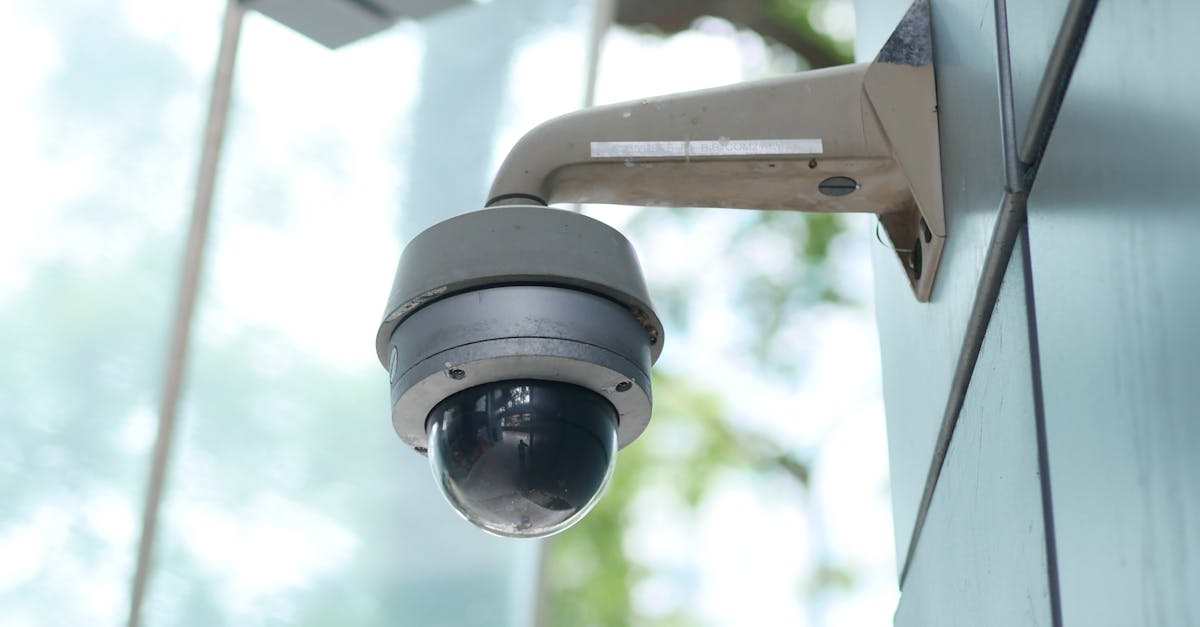
The Role of Smart Home Security in Sydney
Table Of Contents
Cost Considerations for Smart Home Security
Investing in smart home security systems involves a variety of costs, making careful planning essential for homeowners. Initial expenses often include the purchase of devices such as cameras, sensors, and smart locks. Installation fees may also arise if professional assistance is required. These costs can vary widely based on the sophistication of the technology chosen. Budget-conscious individuals might consider DIY options, which can significantly reduce installation expenses.
Ongoing costs, including subscription services for cloud storage or monitoring, can contribute to the overall financial commitment. Regular maintenance might also be necessary to ensure that systems remain operational and secure. Homeowners should factor in potential upgrades or replacements over time, as technology evolves rapidly and the need to adapt to new security challenges becomes increasingly important. Planning for both initial and ongoing expenses can help ensure a smart home security system fits within one’s budget while enhancing safety effectively.
Budgeting for Installation and Maintenance
When considering smart home security, it's essential to factor in both installation and ongoing maintenance costs. Initial expenses can vary significantly based on the complexity of the system and the specific technologies involved. Basic do-it-yourself kits are available at lower price points, while professionally installed systems can stretch budgets. Besides equipment costs, hiring experienced technicians can ensure optimal setup, yet this adds to the upfront investment.
Ongoing maintenance also requires careful budgeting. Monthly monitoring fees can accumulate over time, influencing the total cost of ownership. Regular updates to software and hardware might be necessary to keep systems functioning optimally. Setting aside a portion of the budget for unforeseen repairs or upgrades will help maintain security integrity. Considering all these expenses provides a clearer picture of the financial commitment involved in implementing a comprehensive smart home security system.
Common Challenges with Smart Home Security
Adopting smart home security systems can present a range of challenges for homeowners. One major concern involves connectivity issues. Many smart devices rely on a strong Wi-Fi signal, so if the network is unstable or situated far from the devices, users might experience disruptions. In such cases, sensor alarms may fail to trigger or cameras may not function properly, leading to potential security gaps.
Technical issues also arise frequently with these systems. Users may encounter difficulties with installation, compatibility between devices, or software updates that can render devices temporarily unusable. Additionally, ongoing maintenance can be a source of frustration, particularly for those who are not tech-savvy. Understanding the systems and troubleshooting them can be a significant barrier for many, deterring them from fully embracing smart home security solutions.
Addressing Connectivity and Technical Issues
Smart home security systems rely heavily on a stable internet connection. In urban settings like Sydney, Wi-Fi connectivity can be impacted by various factors such as interference from other devices, structural impediments, and fluctuating service quality from providers. Users may occasionally experience lagging performance or loss of connectivity. Addressing these issues requires a solid understanding of networking basics, including the placement of routers and extenders to optimise signal strength.
Technical challenges may also arise from compatibility issues between devices. Many households incorporate a range of different brands and technologies, which can lead to integration problems. To ensure seamless operation, it is crucial to invest in smart devices that adhere to common communication protocols. Regular updates to firmware and software are paramount in maintaining security effectiveness and resolving potential vulnerabilities.
Choosing the Right Provider for Smart Home Security
When selecting a provider for smart home security, it is essential to consider the reputation and reliability of the company. Research local options in Sydney by looking into customer reviews and testimonials. A good provider will offer a range of products and services that can cater to your specific needs. It’s worth examining their experience in the market and their track record in providing effective security solutions to ensure peace of mind.
Another important factor is the level of customer support offered by the provider. Reliable customer service can make a significant difference when it comes to resolving issues or answering questions about your smart security system. Consider whether they provide ongoing maintenance and updates for their products. Assessing these aspects will help you make a well-informed decision that aligns with your smart home security requirements.
Evaluating Local Sydney Options
When selecting a smart home security provider in Sydney, it is essential to assess the range of services offered by local companies. Many Sydney-based providers have tailored solutions that cater specifically to the unique needs of urban environments. It is beneficial to examine customer reviews and testimonials to gauge the reliability and effectiveness of these services. Moreover, consider visiting local stores or showrooms to experience products firsthand, enabling a better understanding of their functionality.
Price comparisons are another crucial aspect of evaluating options. Various providers may offer different packages with varying features, so it's wise to consider your individual security requirements and budget constraints. In addition to upfront costs, assess any ongoing maintenance fees and subscription services associated with monitored systems. An informed choice will ensure that you invest in a smart home security solution that not only fits your lifestyle but also provides peace of mind.
FAQS
What are the main benefits of smart home security systems in Sydney?
Smart home security systems offer enhanced surveillance, real-time monitoring, remote access, and automation features, allowing homeowners in Sydney to better protect their properties and respond quickly to potential threats.
How much should I budget for installing a smart home security system in Sydney?
The cost of installing a smart home security system in Sydney can vary significantly depending on the extent of the system, equipment chosen, and installation fees. On average, homeowners should budget between $1,000 to $5,000 for a comprehensive setup.
What are common challenges faced with smart home security systems?
Common challenges include connectivity issues, technical problems with devices, compatibility between different brands, and the potential for false alarms. Regular updates and proper installation can help mitigate these issues.
How can I address connectivity issues with my smart home security system?
To address connectivity issues, ensure your Wi-Fi network is strong and stable, consider investing in a Wi-Fi extender if necessary, and regularly check for firmware updates for your devices to enhance performance.
What should I consider when choosing a provider for smart home security in Sydney?
When choosing a provider, consider factors such as their reputation, customer reviews, range of services offered, level of customer support, and whether they provide ongoing maintenance and monitoring services. It's also beneficial to compare local options to find the best fit for your needs.
Related Links
Comparing Wireless vs Wired Security Cameras for Sydney HomesAssessing the Effectiveness of Alarm Systems in Urban Areas
A Guide to Professional vs DIY Security Installations
Exploring Mobile Security Units for Event Protection
Best Practices for Residential Security Fencing in Sydney
Evaluating the Use of Drones in Private Security Operations