Exploring Mobile Security Units for Event Protection
Table Of Contents
Case Studies of Mobile Security Unit Deployment
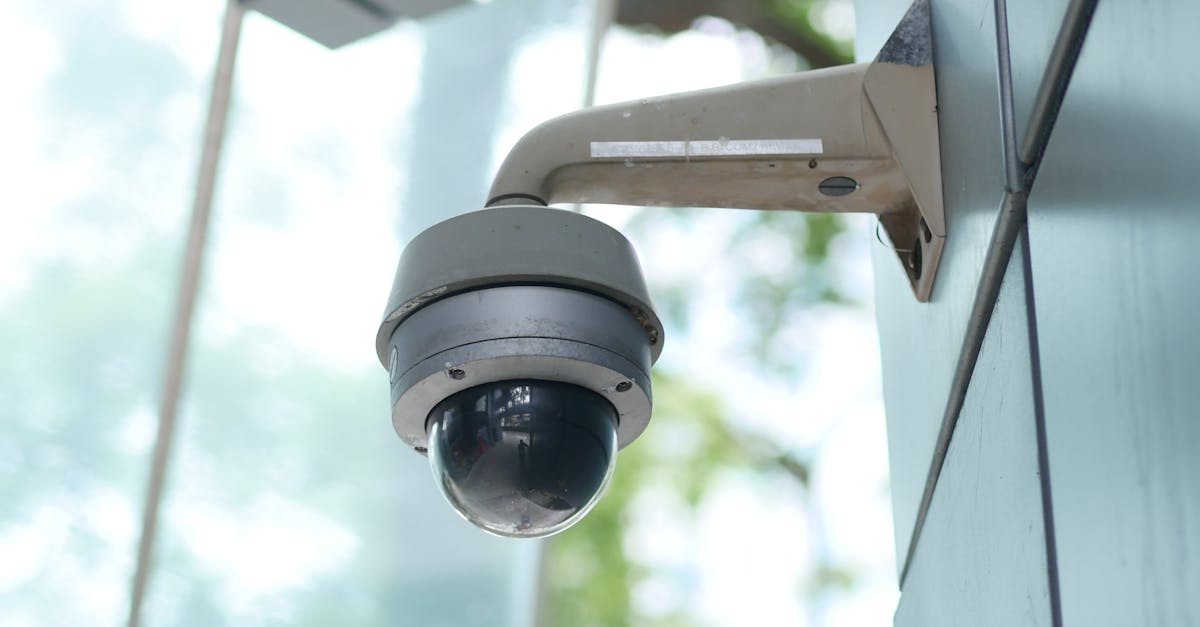
Various events have successfully integrated mobile security units, showcasing their effectiveness across different environments. At a major music festival, a mobile unit was deployed to monitor crowd behaviour and ensure safety protocols were followed. Security personnel operated from a central hub, utilising surveillance cameras and crowd management systems. The result was a significant reduction in incidents, demonstrating the unit's capability to react promptly to potential threats.
In another instance, a sporting event used mobile security units to manage access control and enhance visitor safety. Each unit was strategically positioned around the venue to monitor entry points and provide immediate assistance when necessary. This proactive approach allowed for quick responses to emergencies and effective communication among team members. The feedback from both attendees and organisers highlighted increased confidence in their safety throughout the event.
Success Stories from Major Events
Mobile security units have proven their effectiveness at various high-profile events, ensuring safety and enhancing the overall experience for participants. At a major international music festival, the presence of mobile units equipped with surveillance drones significantly reduced incidents of anti-social behaviour. Their rapid response capabilities allowed security personnel to address potential threats before they escalated, which contributed to a record number of positive attendee feedback.
Another example can be found in the deployment of mobile security units during a large sporting event. These units facilitated crowd management and controlled access points, demonstrating their value in reducing wait times and ensuring a smooth entry process. The integration of technology, such as facial recognition systems, helped identify potential troublemakers swiftly, which ultimately led to a more secure and enjoyable environment for all attendees.
Cost Considerations for Mobile Security Units
When planning for mobile security units, it is essential to factor in various costs associated with their deployment. Expenses can include equipment rental, personnel wages, and transport logistics. Depending on the size and scale of the event, the overall budget may vary significantly. Allocating funds effectively ensures that security measures are not only adequate but also responsive to real-time situations that may arise during an event.
Budgeting for mobile security units requires a thorough assessment of both expected and unexpected costs. Planning ahead offers the opportunity to compare service providers and determine the best fit for specific needs. Engaging with providers early can facilitate negotiations for bulk pricing or package deals. Incorporating a contingency plan in the financial projections is wise, as unforeseen circumstances can demand immediate resources beyond what was initially estimated.
Budgeting for Event Security Needs
Determining the budget for event security requires a comprehensive assessment of several factors. First, the scale and nature of the event significantly influence costs. Large-scale gatherings often necessitate more personnel, advanced technology, and logistical support. Additionally, the location can play a vital role in shaping expenses, with urban venues potentially incurring more significant security demands than rural areas. Engaging with a reputable security firm early in the planning stage enables event organisers to receive tailored quotes, aligning services with specific needs.
Another critical factor is the unpredictable nature of security threats. Allocating a portion of the budget for contingencies can bolster preparedness. This approach ensures flexibility in responding to unforeseen circumstances, such as additional security personnel or technology. Furthermore, investing in training for staff can enhance overall safety. Well-prepared personnel can effectively handle various situations and contribute to a seamless event experience. Balancing these elements while maintaining a clear vision of the event's objectives aids in crafting an effective budget that prioritises safety without overspending.
Legal and Regulatory Aspects of Mobile Security
Understanding the legal and regulatory landscape is essential for the effective deployment of mobile security units. Each state in Australia has its own set of laws governing security services, requiring operators to obtain the necessary licenses and permits. Compliance with these regulations not only ensures the legitimacy of security personnel but also protects clients from potential legal liabilities. Failure to adhere to these laws can lead to significant penalties and damage to reputation for both service providers and event organizers.
Privacy concerns are also a critical consideration when designing mobile security strategies. Surveillance measures must balance security needs with the privacy rights of individuals. This necessitates clear communication with attendees regarding the use of monitoring technology and data handling practices. Establishing transparent policies and procedures can help mitigate risks associated with breaches of privacy legislation, such as the Australian Privacy Principles, which aim to safeguard personal information.
Compliance Requirements for Security Operations
Security operations must adhere to various regulations and legal frameworks to ensure the safety of both staff and attendees. This includes familiarity with local laws regarding the use of surveillance equipment, data protection, and crowd control measures. Compliance with these regulations not only helps to safeguard the event but also protects the organisation from potential liabilities. Training for security personnel on these legal requirements is crucial for maintaining operational integrity.
Additionally, obtaining the necessary permits and licenses is essential for legally deploying mobile security units at events. This includes liaising with local authorities to understand specific requirements that may vary by location. Clear documentation and thorough planning streamline the compliance process, ultimately contributing to a secure environment. By prioritising these compliance aspects, organisations enhance their overall security framework while fulfilling legal obligations.
FAQS
What are mobile security units?
Mobile security units are portable, self-contained security operations that can be deployed at various events to enhance safety and manage security risks effectively.
How do mobile security units improve event safety?
They provide immediate and visible security presence, facilitate crowd control, and can quickly respond to incidents, ensuring a safer environment for attendees.
What factors should be considered when budgeting for mobile security units?
Key factors include the scale of the event, the number of attendees, the level of security required, duration of deployment, and any specific risks associated with the event location.
Are there legal regulations that need to be followed when deploying mobile security units?
Yes, compliance with local laws and regulations regarding security operations, licensing, and crowd management is essential when deploying mobile security units.
Can mobile security units be customised for specific events?
Absolutely! Mobile security units can be tailored to meet the unique security needs of each event, including specialised equipment and trained personnel based on the event's requirements.
Related Links
A Guide to Professional vs DIY Security InstallationsBest Practices for Residential Security Fencing in Sydney
Evaluating the Use of Drones in Private Security Operations
Analyzing the Benefits of Monitoring Services in Private Properties
Understanding the Functionality of Access Control Systems
Overview of Personal Security Apps for Sydney Residents
Comparing Wireless vs Wired Security Cameras for Sydney Homes