The Influence of Security Systems on Criminal Behaviour Patterns
Table Of Contents
Advances in Security Technology
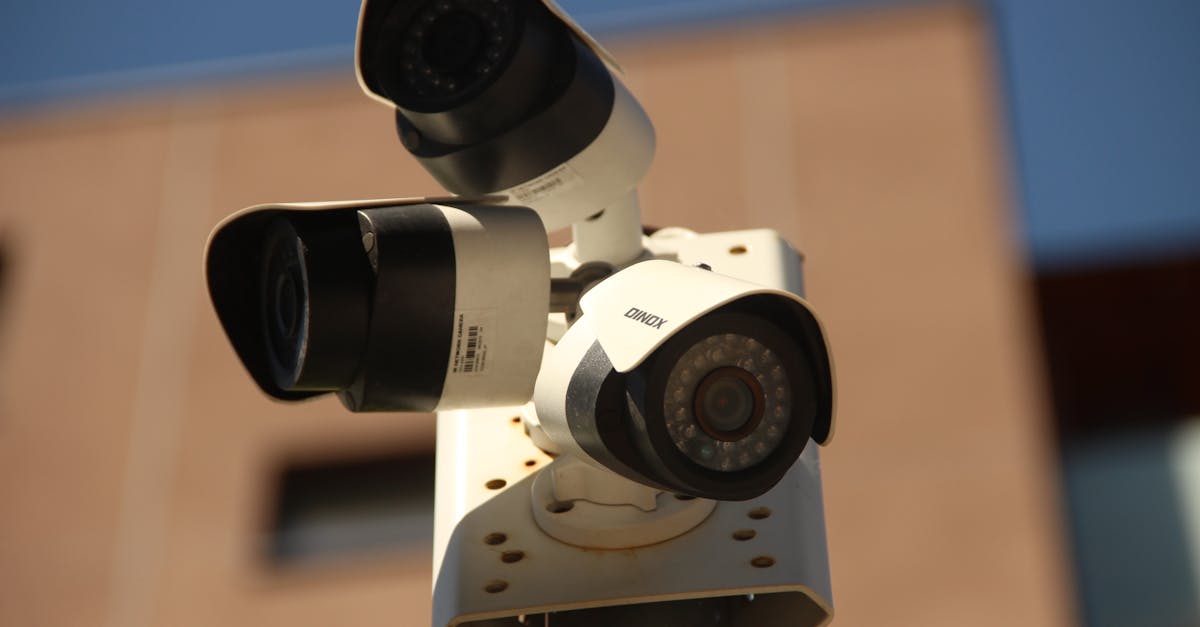
The rapid evolution of security technology has significantly reshaped the landscape of crime prevention. Innovations such as high-definition surveillance cameras, motion sensors, and smart locking systems enhance the ability of both homeowners and businesses to monitor their environments effectively. These advancements not only provide real-time alerts but also facilitate remote access to security feeds, allowing users to manage their properties from virtually anywhere. Such technologies are designed to deter criminal activity by making potential offenders aware of increased surveillance.
Moreover, the integration of artificial intelligence into security systems has transformed traditional measures. AI algorithms analyse patterns, detect unusual behaviours, and even predict potential threats. This proactive approach enables security systems to respond more intelligently to incidents. As a result, these technological advancements contribute to creating a safer environment, ultimately influencing criminal behaviour by lowering the likelihood of successful offences.
The Role of Smart Security Solutions
Innovative technologies have transformed traditional security measures into smart solutions that enhance both residential and commercial safety. Systems equipped with artificial intelligence can analyse patterns in real-time, identify unusual activities, and send alerts to property owners. Integration with mobile devices allows users to monitor their premises from anywhere, providing peace of mind and immediate response capabilities.
These advancements not only deter criminal behaviour but also enable law enforcement to respond more effectively. Smart cameras with facial recognition, motion sensors, and smart locks create a multi-layered approach to security. As these technologies become more accessible, their widespread adoption is expected to continue influencing patterns of criminal activity in urban and suburban areas alike.
Socioeconomic Factors Influencing Crime
Crime rates often reflect the socioeconomic conditions of a community. Areas with higher poverty rates tend to experience increased criminal activity, as economic deprivation can lead individuals to seek alternative means of survival. Add to this the lack of access to quality education and employment opportunities. Such factors contribute significantly to individuals turning to crime as a viable option. Social disorganisation can also occur in economically disadvantaged areas, where community ties may weaken and collective efficacy diminishes.
Employment opportunities play a pivotal role in shaping criminal behaviour. When individuals lack access to stable jobs, feelings of disenfranchisement can intensify, leading to a rise in criminal activities. Additionally, economic downturns can influence youth engagement, resulting in higher levels of crime among young people. The interplay of various socioeconomic elements creates a complex environment where crime can thrive, highlighting the necessity for holistic approaches to address these underlying issues.
The Impact of Economic Conditions on Criminal Activity
Economic conditions play a significant role in shaping patterns of criminal activity. Research indicates that higher rates of unemployment and economic instability often correlate with increases in property crimes, such as burglary and theft. Individuals facing financial hardships may turn to crime as a means of survival. Additionally, economic downturns can lead to increased stress and social disorganisation, which further exacerbates criminal behaviour within communities.
Conversely, more prosperous economic climates tend to be associated with lower crime rates. When employment opportunities are abundant and community resources are accessible, individuals are less likely to engage in criminal activities. Wealthier populations can invest in security measures and community programs that promote safety, thereby creating environments less conducive to crime. Understanding these dynamics is crucial for policymakers aiming to develop effective crime prevention strategies.
Community Engagement and Security
A strong sense of community can play a pivotal role in enhancing safety and reducing crime. Local engagement initiatives foster relationships between residents and law enforcement, resulting in a collaborative environment where individuals feel more empowered to report suspicious activities. When neighbours know each other, they are more likely to look out for one another, which can deter potential criminal behaviour. These connections not only contribute to a greater sense of belonging but also establish a network that can quickly mobilise in response to threats.
Crime prevention strategies increasingly emphasise the importance of community involvement. Programs that encourage residents to participate in neighbourhood watch schemes or local safety meetings promote vigilance and proactive behaviour. By equipping citizens with knowledge about crime trends and effective deterrence tactics, communities can create an atmosphere that diminishes opportunities for criminal activity. Successful crime reduction efforts often depend on the shared responsibility of residents, ultimately leading to strengthened community ties and a safer living environment.
Building Cooperative Strategies for Crime Prevention
Crime prevention requires a unified approach involving various community stakeholders. Local governments, law enforcement, and residents can collaborate to create initiatives that enhance safety and reduce crime. Community programs, such as neighbourhood watch schemes, foster open communication. These initiatives encourage residents to report suspicious activity and share resources, strengthening the overall security framework.
Engaging community members in decision-making processes builds trust and accountability. Workshops and forums can educate citizens about crime trends and the importance of vigilance. Establishing partnerships with local businesses can also provide additional resources for funding preventive measures. A cooperative strategy not only involves sharing information but also integrating diverse perspectives to create tailored solutions for specific neighbourhood challenges.
FAQS
How do advanced security technologies impact criminal behaviour?
Advanced security technologies, such as smart cameras and alarm systems, deter potential criminals by increasing the likelihood of detection and capture. These systems can help to analyse and predict criminal behaviour patterns, making it more difficult for offenders to operate undetected.
What role do smart security solutions play in crime prevention?
Smart security solutions utilise interconnected devices and real-time monitoring to enhance security. They provide property owners with immediate alerts and surveillance capabilities, which can significantly reduce the opportunity for crime by allowing for quicker responses to suspicious activities.
How do socioeconomic factors influence crime rates?
Socioeconomic factors, such as poverty, unemployment, and education levels, can significantly influence crime rates. Areas with lower economic conditions may see higher instances of crime due to limited opportunities and resources, leading to increased desperation among individuals.
What is the connection between economic conditions and criminal activity?
Economic conditions can directly impact criminal activity; during times of economic downturn, crime rates often rise due to increased financial strain on individuals and families. Conversely, stable economic conditions typically correlate with lower crime rates as communities have better access to resources and opportunities.
How can community engagement contribute to crime prevention?
Community engagement fosters a sense of collective responsibility and cooperation among residents. By building cooperative strategies for crime prevention, communities can effectively share information, resources, and support, which can lead to reduced crime rates and enhanced overall security.
Related Links
Measuring the Success of Private Security in Combating Violent CrimesCommunity Feedback on Crime Reduction Initiatives by Private Firms
Assessing the Effect of Private Patrols on Local Crime Statistics
Comparative Study of Crime Rates in High-Security Areas of Sydney
The Impact of Advanced Surveillance Technology on Property Crime Rates
How Private Security Measures Influence Public Safety Perceptions
The Role of Private Security Systems in Urban Crime Management
Evaluating Crime Rate Trends Before and After Security System Installation
Analyzing the Effectiveness of Private Security in Reducing Crime in Sydney