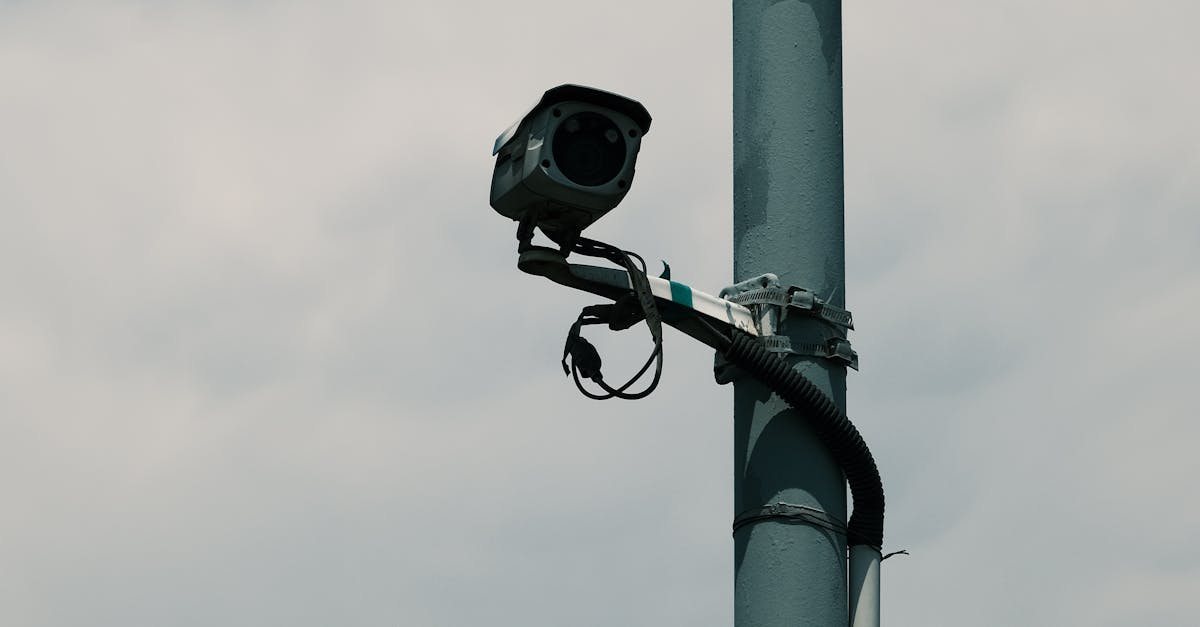
The Impact of Advanced Surveillance Technology on Property Crime Rates
Table Of Contents
The Role of Smart Technology in Surveillance
The integration of smart technology into surveillance systems has transformed the landscape of property crime prevention. Enhanced cameras equipped with high-definition image capabilities allow for more effective identification of potential threats. Motion sensors and smart lighting can deter criminal behaviour by creating an environment where wrongdoing is less likely to occur. Furthermore, advancements in facial recognition technology enable law enforcement to quickly identify suspects, making it easier to link them to specific criminal activities.
Additionally, smart surveillance systems can leverage data analytics to predict potential crime hotspots and optimise the deployment of security resources. These systems collect and analyse vast amounts of data from various sources, including social media and local crime reports. By identifying patterns and trends, authorities can take proactive measures to reduce property crime rates in targeted areas. As technology evolves, the ability to integrate real-time data with surveillance efforts will continue to enhance community safety.
Integration of AI and IoT in Crime Prevention
The integration of artificial intelligence and the Internet of Things in surveillance systems has revolutionised crime prevention strategies. AI algorithms analyse vast amounts of data collected from cameras and sensors to identify patterns and potential threats. This capability allows for real-time alerts and interventions, improving response times for law enforcement. IoT devices, such as smart cameras and connected alarms, enhance the ability to monitor environments remotely. These systems work together to create a networked approach that increases situational awareness for both property owners and authorities.
Furthermore, the synergy between AI and IoT provides insightful analytics that can inform future crime prevention measures. Machine learning models can adapt and learn from ongoing patterns, allowing for continuous improvement in predictive policing. Instead of merely reacting to incidents after they occur, this proactive strategy aims to deter criminal activity before it happens. Combined, these technologies not only enhance safety but also foster a sense of security within communities, contributing to a decline in property crime rates over time.
Community Response to Surveillance Implementation
The introduction of advanced surveillance technology in communities has sparked a range of responses from residents. Some individuals appreciate the enhanced security measures that come with such systems, often reporting a sense of safety in public spaces and decreased levels of property crime. The visibility of cameras and monitoring devices can deter potential offenders, which has led to an overall positive sentiment from those who value community safety.
On the other hand, there are residents who express concerns about privacy and the potential for misuse of data gathered through surveillance. This segment of the community worries that increased monitoring may lead to a feeling of being constantly observed. As discussions unfold, it is essential for local authorities to address these concerns, fostering a balanced dialogue that considers both safety and civil liberties. Engaging citizens in conversations about the purpose and implementation of surveillance technology can play a vital role in influencing public opinion and acceptance.
Public Opinion and Acceptance of Surveillance
Awareness of advanced surveillance technology's potential benefits and drawbacks shapes public opinion significantly. Many individuals appreciate enhanced security and decreased crime rates resulting from surveillance systems. The notion of being monitored often raises concerns related to privacy and civil liberties. Citizens frequently express a desire for transparency in how such technologies operate and how data is utilised by authorities.
Community acceptance varies based on multiple factors such as location and past experiences with crime. In some areas, residents may be more inclined to welcome surveillance due to high crime levels. Conversely, communities with fewer security issues might resist surveillance measures, viewing them as invasive. Public discourse frequently highlights the need for a balanced approach that prioritises both safety and personal privacy, fostering ongoing discussions about the implications of surveillance technology in daily life.
Challenges Faced by Surveillance Systems
Despite the advancements in surveillance technology, several challenges hinder its effectiveness. Privacy concerns have emerged as a significant issue, with many individuals fearing constant monitoring and the potential misuse of collected data. This unease can lead to resistance from communities where surveillance systems are proposed, creating friction between law enforcement and residents. Furthermore, the high costs associated with implementing and maintaining these sophisticated systems can be prohibitive, particularly for smaller municipalities that may not have the financial resources to invest in advanced technology.
Technical limitations also pose considerable obstacles to the efficacy of surveillance systems. Issues such as data overload can arise when large volumes of footage are generated, making it difficult for law enforcement to identify and respond to incidents in a timely manner. Additionally, the technology may be susceptible to hacking or other security breaches, raising concerns about the integrity and safety of the information collected. Inadequate training for personnel on how to correctly utilise these systems can further diminish their effectiveness, leading to missed opportunities for preventing or solving crimes.
Limitations and Areas of Improvement
Despite their potential advantages, advanced surveillance systems face several limitations that must be addressed for effective crime prevention. One significant issue is the reliance on technology that can sometimes falter in adverse weather conditions or during power outages. Additionally, the high cost associated with implementing and maintaining these systems can be a barrier, particularly for smaller communities or local businesses. As the demand for increased surveillance grows, it becomes crucial to ensure that solutions are not only advanced but also accessible.
Furthermore, there are concerns regarding privacy and the ethical implications of widespread surveillance. Many citizens express discomfort with the notion of being constantly monitored, leading to a potential breach of trust between communities and law enforcement agencies. This sentiment can hinder the successful integration of surveillance technology. Developing transparent policies that outline how data is collected, stored, and utilised can help alleviate these concerns. Continuous improvements in encryption and data protection measures will also be essential in addressing the vulnerabilities associated with these technologies.
FAQS
How does advanced surveillance technology help reduce property crime rates?
Advanced surveillance technology, such as smart cameras and AI-driven analytics, enhances monitoring capabilities, deters criminal activity, and enables quicker responses to incidents, which collectively contribute to lower property crime rates.
What role do AI and IoT play in crime prevention?
AI and IoT facilitate real-time data analysis and communication among devices, allowing for more effective crime prevention strategies through predictive analytics and improved situational awareness in communities.
How do communities typically respond to the implementation of surveillance technology?
Community responses can vary; while some residents may feel safer and more secure with increased surveillance, others may express concerns over privacy and the potential for misuse of the technology.
What are common public opinions regarding surveillance systems?
Public opinion on surveillance systems often reflects a balance between safety and privacy, with many people supporting the use of surveillance for crime prevention while also advocating for transparent policies and protections against misuse.
What challenges do surveillance systems face in effectively reducing property crime?
Challenges include technological limitations, concerns about privacy invasion, potential biases in AI algorithms, and the need for continuous maintenance and updates to ensure effectiveness and compliance with legal standards.
Related Links
Comparative Study of Crime Rates in High-Security Areas of SydneyHow Private Security Measures Influence Public Safety Perceptions
Measuring the Success of Private Security in Combating Violent Crimes
The Influence of Security Systems on Criminal Behaviour Patterns
Community Feedback on Crime Reduction Initiatives by Private Firms