Perceptions of Surveillance: How Sydneysiders Feel About Public Monitoring
Table Of Contents
Government Initiatives
In recent years, authorities in Sydney have implemented various initiatives aimed at enhancing public safety through surveillance. The installation of cameras in high-traffic areas has been a prominent aspect of this approach. Proponents argue that these measures deter crime and assist law enforcement in responding to incidents more effectively. Enhanced surveillance technology, including facial recognition systems, has also been trialled to identify potential threats swiftly.
Responsibility for these initiatives often falls under local government agencies. Policies are designed to address community concerns while ensuring privacy protections are in place. Public consultations have taken place to gauge community sentiments regarding the balance between security and privacy. This feedback is crucial for shaping the ongoing conversation about the role of surveillance in everyday life in Sydney.
Policies Surrounding Public Surveillance
In Australia, the legal framework governing public surveillance primarily involves various state and federal laws aimed at protecting individual privacy while permitting certain levels of monitoring for public safety. The Surveillance Devices Act 2004 serves as a fundamental guideline, stipulating the conditions under which surveillance devices can be used. This legislation ensures that consent must be obtained for the recording of private conversations, while allowing public surveillance in areas such as parks and streets, where individuals are generally considered to have a lower expectation of privacy.
Local councils also play a considerable role in establishing regulations around surveillance technologies. Many councils have implemented their own policies regarding the use of CCTV, which often include community consultations to assess public sentiment before the installation of surveillance systems. These policies can vary significantly, reflecting differing perceptions and priorities among communities. As Sydney continues to grow and evolve, balancing the benefits of surveillance technologies with the rights of citizens remains a contentious issue, prompting ongoing dialogues among stakeholders.
Community Reactions
In Sydney, responses to public surveillance vary widely among residents. Many express concerns about personal privacy and the implications of constant monitoring in public spaces. A significant portion of the community feels uneasy about the balance between safety and individual freedoms. These worries often stem from a fear of misuse of the data collected through surveillance technologies. Some individuals argue that the potential for abuse by authorities could lead to increased oppression of certain groups.
Others in the community adopt a more accepting stance towards surveillance measures. They highlight the benefits of CCTV cameras and public monitoring in enhancing security and deterring crime. Some residents appreciate the increased sense of safety that can come with having a visible surveillance presence. These differing opinions showcase a community grappling with the complexities of privacy, safety, and the role of technology in daily life. The debate is not just about surveillance itself but also about the values that underpin these discussions, reflecting broader societal attitudes towards security and civil liberties.
Public Protests and Advocacy Groups
In recent years, various protests have emerged in Sydney, driven by concerns over the increasing presence of surveillance technologies. Activists argue that these measures infringe on individual privacy and civil liberties. Demonstrations often attract participants from diverse backgrounds, including students, civil rights advocates, and concerned citizens. The visual impact of large gatherings draws media attention, sparking broader public discussions about the implications of surveillance.
Advocacy groups have been pivotal in rallying communities together against unchecked monitoring practices. These organisations work to educate the public about potential risks, such as data misuse and the erosion of anonymity in public spaces. By utilising social media campaigns and hosting community forums, they aim to raise awareness and create a unified front in challenging government policies. Their efforts highlight the collective desire for a balance between public safety and personal privacy in urban life.
Media Representation
Local news outlets in Sydney have increasingly focused on the implications of public surveillance, particularly in the wake of expanding camera networks and monitoring initiatives. Articles often highlight the technology's promises, such as enhanced safety and crime deterrence. However, the coverage also dives into concerns about privacy and civil liberties, creating a complex narrative that reflects diverse community sentiments.
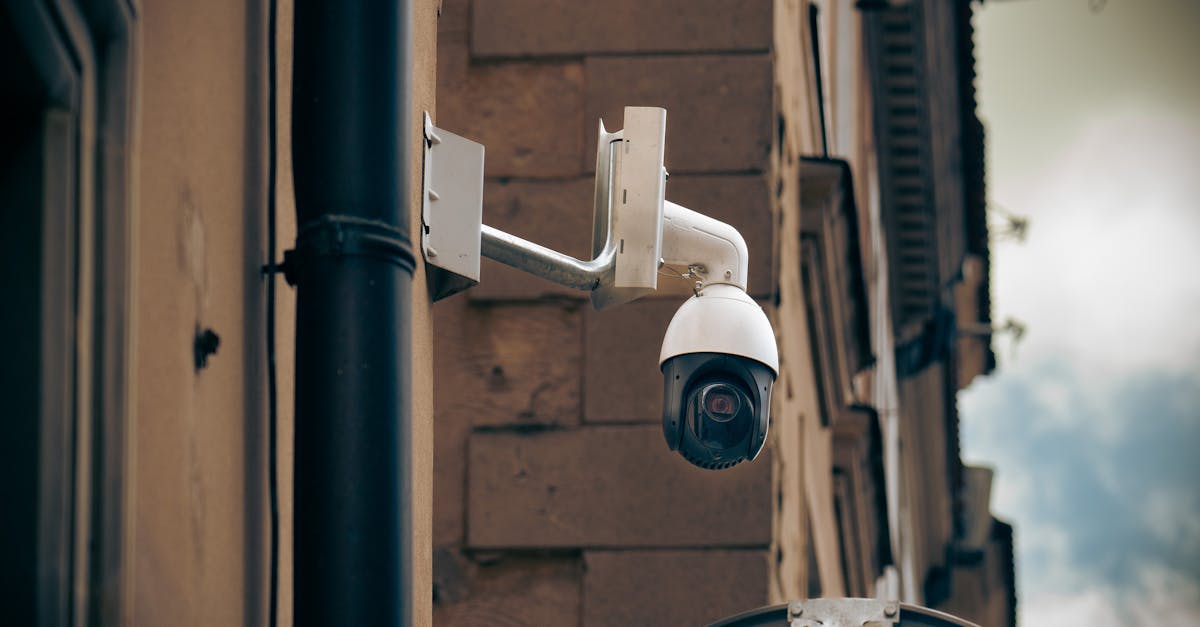
Reports frequently feature interviews with residents and experts, fostering a platform for public discourse. Visual content often showcases surveillance cameras in everyday settings, reinforcing their omnipresence. While some stories promote the benefits of surveillance for public safety, others raise alarms about the erosion of personal privacy, presenting a multifaceted view that mirrors ongoing debates within the community.
How Local News Portrays Surveillance
Local news outlets in Sydney often reflect a mixture of anxiety and acceptance regarding public surveillance. Reports frequently highlight incidents where surveillance footage has played a crucial role in solving crimes or identifying suspects. These stories tend to emphasise the benefits of surveillance cameras, showcasing instances where public safety has been improved. On the other hand, there are also critical conversations around the potential for misuse and invasion of privacy, raising questions about the balance between security and individual rights.
Editorial decisions shape how surveillance is portrayed in local media. Sensational narratives about invasions of privacy can spark public debate and concern. Conversely, positive framing may advocate for greater acceptance of surveillance technologies as tools for modern policing. This duality reflects broader societal attitudes towards safety and civil liberties, with journalists navigating the fine line between encouraging vigilance and fostering trust in public institutions.
FAQS
What are the main government initiatives related to public surveillance in Sydney?
The main government initiatives in Sydney regarding public surveillance include the implementation of CCTV systems in public spaces, the use of drone technology for monitoring purposes, and legislation that governs data protection and privacy related to surveillance activities.
How do policies surrounding public surveillance impact Sydneysiders?
Policies surrounding public surveillance impact Sydneysiders by determining the extent and conditions under which surveillance can occur. These policies aim to balance public safety with individual privacy rights, influencing community trust in authorities and shaping public perception of surveillance practices.
What are some public reactions to surveillance in Sydney?
Public reactions to surveillance in Sydney vary widely; while some residents feel safer knowing that surveillance is in place, others express concerns about privacy violations and potential misuse of data. This divide often leads to vigorous community discussions and debates.
Have there been any public protests or advocacy groups related to surveillance in Sydney?
Yes, there have been public protests and advocacy groups in Sydney that focus on raising awareness about privacy rights and opposing excessive surveillance. These groups often organise demonstrations, campaigns, and educational initiatives to promote civil liberties and challenge government policies.
How is surveillance portrayed in local media in Sydney?
Local media in Sydney typically portrays surveillance in a mixed light, highlighting both its benefits for public safety and crime prevention, as well as the concerns regarding privacy and civil liberties. The portrayal often depends on the specific incidents covered and the opinions of those interviewed.
Related Links
The Dichotomy of Safety and Surveillance in Sydney's Urban LandscapeThe Balancing Act Between Security and Privacy in Sydney's CCTV Implementation
Engaging the Community: Public Discussions on Surveillance Ethics in Sydney
Sydney's CCTV Network: Public Perception and Privacy Implications
Evaluating Public Trust in Surveillance Systems Across Sydney's Neighbourhoods
Understanding the Privacy Concerns of Residents in Sydney's Monitored Areas
Community Voices: Public Opinion on CCTV Monitoring in Sydney
Sydney's Public Surveillance and Its Influence on Citizen Privacy Perspectives
Privacy Rights in the Age of Surveillance: Sydney's Response