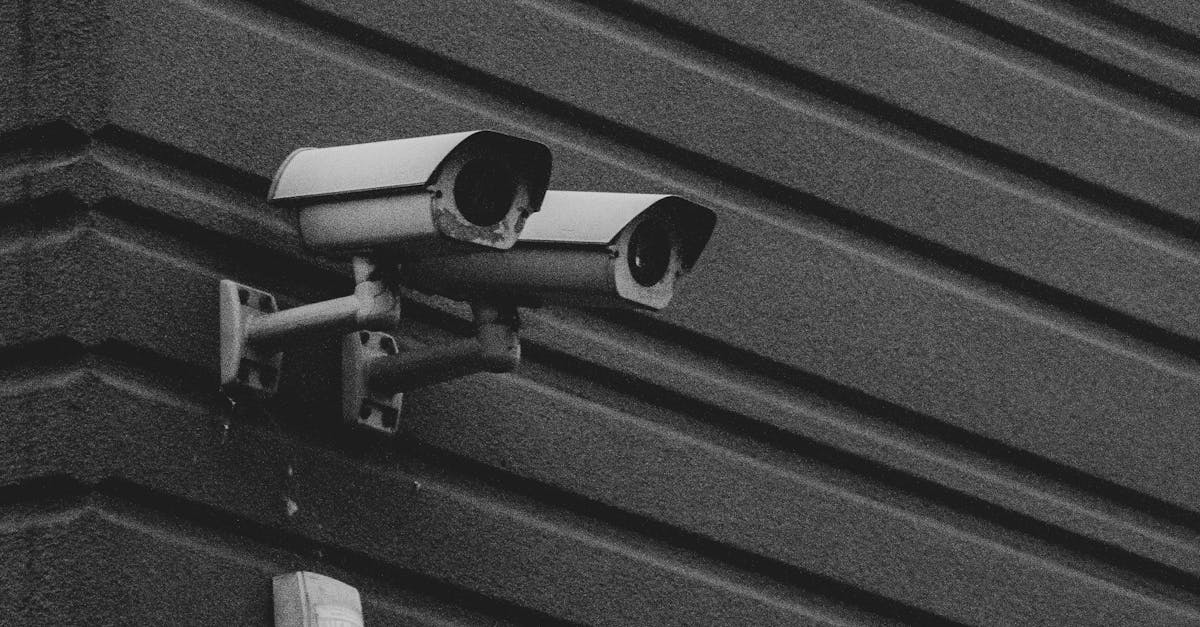
Evaluating Public Trust in Surveillance Systems Across Sydney's Neighbourhoods
Table Of Contents
Case Studies of Surveillance in Neighbourhoods
The introduction of surveillance systems in various neighbourhoods throughout Sydney has generated a range of responses from residents. In areas such as Kings Cross, where nightlife and public gatherings are prevalent, the presence of cameras has been viewed as a necessary measure to increase safety. Many locals appreciate the potential for crime prevention and the increased sense of security it provides, especially during late hours when crowds are larger. Conversely, there is also significant concern about the potential for these systems to infringe on personal freedoms and privacy rights.
In more residential areas like Newtown, community sentiment is mixed. Some residents support the implementation of surveillance systems as a deterrent against petty crimes and vandalism often reported in the area. However, others raise alarms about the implications for a watchful society, fearing that constant monitoring could lead to unwarranted scrutiny and erosion of trust. This dichotomy showcases the complexities of public opinion regarding surveillance, revealing the need for thoughtful dialogue among residents and policymakers about the balance between safety and civil liberties.
Analyzing Specific Areas and Their Experiences
Different neighbourhoods across Sydney exhibit varying experiences with surveillance systems. In areas with higher crime rates, residents tend to view these systems as necessary for their safety. Recent surveys indicate a correlation between crime concerns and support for surveillance initiatives. Conversely, in regions with lower crime statistics, there is a heightened sensitivity towards privacy. Residents are more likely to voice their apprehensions regarding constant monitoring and its potential intrusions into daily life.
Case studies reveal that local context significantly shapes public opinion. In suburbs like Redfern, where community relationships are strong, discussions around surveillance often centre on accountability and transparency. Here, residents push for clear guidelines on how data is collected and used, reflecting a desire for ethical frameworks. In contrast, communities such as Bondi Beach, known for their tourist influx, often prioritise security measures and are less internally focused on privacy implications. These differences highlight the need for tailored approaches in policy formulation that resonate with each area's unique character and concerns.
Community Engagement and Its Impact
Community engagement serves as a crucial element in shaping perceptions of surveillance systems within Sydney's diverse neighbourhoods. Residents who actively participate in discussions regarding surveillance are more likely to express a sense of ownership over the measures implemented in their areas. This involvement fosters transparency and encourages local authorities to consider community concerns, leading to tailored solutions that address specific needs and anxieties. When citizens feel heard, their trust in these systems can significantly increase, fostering a collaborative atmosphere that promotes safety without compromising individual freedoms.
The willingness of local councils to engage with residents through forums and workshops can also lighten the burden of mistrust. Such initiatives allow citizens to voice their opinions and participate in decision-making processes regarding surveillance practices. This engagement helps demystify the technology and its intended purpose, while also providing the community insight into how their data is used. Ultimately, fostering a culture of dialogue encourages a shared responsibility for personal privacy and public safety.
Encouraging Citizen Participation in Surveillance Policies
Active involvement from community members is essential for developing effective surveillance policies. Engaging citizens fosters a sense of ownership and responsibility toward the safety and well-being of their neighbourhoods. Opportunities for involvement can be created through public forums, community meetings and collaborative workshops. Such initiatives empower residents to voice their concerns, provide feedback and suggest improvements, ensuring that the surveillance systems reflect the unique values and needs of the area.
Moreover, participation can help build trust between the public and authorities. Transparency about surveillance objectives and operations can alleviate fears while enhancing accountability. When citizens feel their input is valued, they are more likely to support surveillance measures seen as necessary for public safety. This collaborative atmosphere not only strengthens the policies in place but also encourages a culture of mutual respect and understanding within the community.
Privacy Concerns and Public Sentiment
As surveillance systems become more prevalent in urban settings, the implications for individual privacy have stirred significant debate among Sydney's residents. Many community members express unease regarding the extent to which their movements and behaviours are monitored. Concerns range from a perceived loss of anonymity to the potential for misuse of personal data. These sentiments are often heightened in areas where the presence of cameras and monitoring devices is most pronounced, leading residents to question the trade-offs between security and their privacy rights.
Public opinion is informed not only by individual experiences but also by broader societal trends. While some citizens support surveillance for enhancing safety, others fear that constant monitoring could lead to a chilling effect on personal freedoms. Discussions around transparency in surveillance programs play a key role in shaping community attitudes. Collaborative efforts from local authorities to address these anxieties may help foster a sense of trust, allowing residents to feel more secure about balancing safety concerns with their rights to privacy.
Balancing Safety with Individual Rights
Surveillance systems have become integral to enhancing public safety in urban areas, yet they also spark significant debate regarding individual rights. Citizens increasingly express concerns about the implications of constant monitoring on their privacy. The need for safety measures can clash with the expectation of personal freedom, leading to a delicate balance that policymakers must navigate. Different neighbourhoods in Sydney demonstrate varying levels of acceptance towards surveillance based on historical context, community experiences, and perceived effectiveness.
Addressing these concerns requires a nuanced approach to regulation. Transparent communication about the purposes and limitations of surveillance systems can help alleviate fears and foster trust. Engaging communities in discussions about these technologies empowers residents to voice their opinions on the acceptable boundaries of surveillance. Successful implementation relies on finding a compromise that prioritises the safety of the public while respecting their rights, ultimately shaping a more secure and cohesive environment for everyone.
FAQS
What are the main findings regarding public trust in surveillance systems in Sydney's neighbourhoods?
The main findings indicate that public trust varies significantly across different neighbourhoods, influenced by factors such as community engagement, previous experiences with surveillance, and transparency in policy-making.
How does community engagement affect public trust in surveillance systems?
Community engagement plays a crucial role in building public trust. When citizens are actively involved in discussions and decision-making processes related to surveillance, they are more likely to feel that their concerns are heard, leading to higher levels of trust.
What privacy concerns are associated with surveillance systems in Sydney?
Privacy concerns include the potential for misuse of data, lack of clear regulations regarding data collection and storage, and the fear of constant monitoring which can infringe on individual rights and freedoms.
How do residents perceive the balance between safety and individual rights regarding surveillance?
Many residents express that while they value safety and security, they also feel strongly about the need to protect individual rights. There is a growing call for policies that ensure safety without compromising personal privacy and freedoms.
What steps are being taken to encourage citizen participation in surveillance policies?
Local authorities are implementing community forums, surveys, and workshops to solicit feedback from residents. These initiatives aim to create an open dialogue about surveillance practices and ensure that policies reflect the community's values and concerns.
Related Links
Sydney's CCTV Network: Public Perception and Privacy ImplicationsUnderstanding the Privacy Concerns of Residents in Sydney's Monitored Areas
Engaging the Community: Public Discussions on Surveillance Ethics in Sydney
Community Voices: Public Opinion on CCTV Monitoring in Sydney
The Dichotomy of Safety and Surveillance in Sydney's Urban Landscape