Fear or Security? Understanding Sydney's Response to Surveillance Laws
Table Of Contents
The Role of Technology in Surveillance
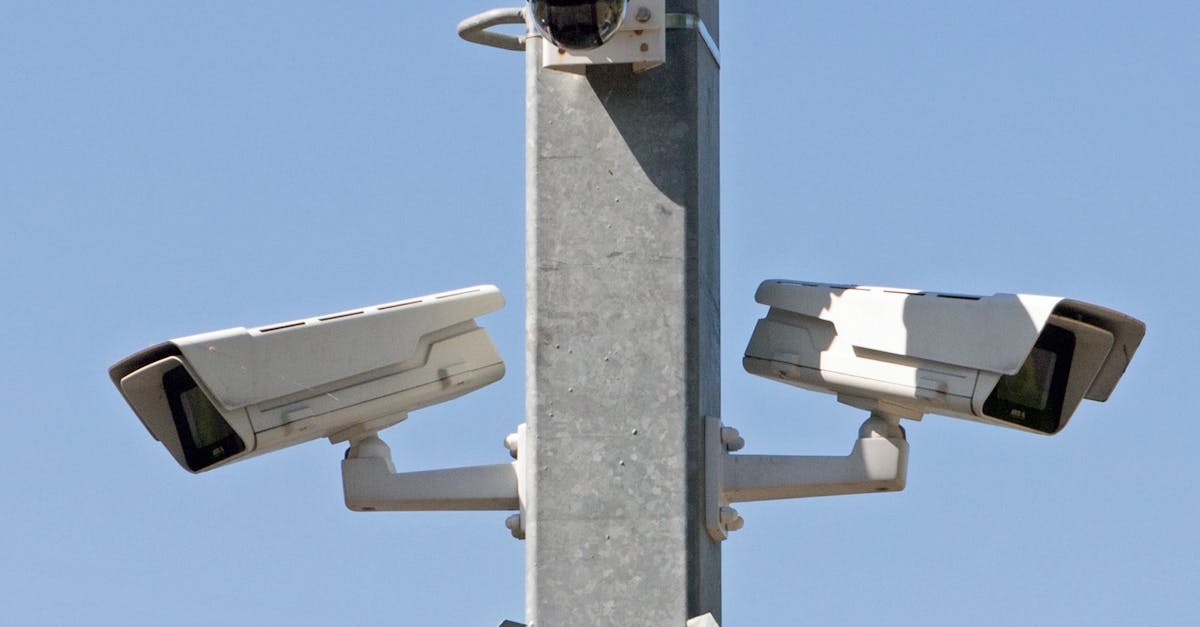
Recent advancements in technology have reshaped the landscape of surveillance, making it more sophisticated and pervasive. Cameras equipped with artificial intelligence can now identify individuals in crowds, track movements, and even analyse behaviours. The integration of facial recognition systems has sparked debate about privacy rights, as authorities gain unprecedented capabilities to monitor citizens in real-time. This progression raises questions about the balance between security and individual liberty within urban environments.
Moreover, the expansion of digital infrastructure has facilitated enhanced data collection methods. Drones and automated systems complement traditional surveillance tools, leading to a networked approach to monitoring public spaces. Technology not only increases the efficiency of tracking potential threats but also raises ethical considerations regarding consent and transparency. The implications of these developments are profound, challenging societal norms around privacy while positioning surveillance as an integral component of urban security strategy.
Advancements and Their Implications
The rapid development of surveillance technologies has transformed the way cities monitor public spaces and individuals. Innovations such as facial recognition software, drones, and advanced data analytics have enabled more pervasive oversight. These technologies can enhance public safety by allowing law enforcement to respond more efficiently to incidents. However, such advancements also raise significant privacy concerns and ethical dilemmas regarding the extent of state power over citizens.
As Sydney adopts these technologies, implications for civil liberties and societal norms become increasingly complex. While some residents may appreciate the heightened security, others may feel uncomfortable or threatened by the constant monitoring. The balance between ensuring safety and preserving individual privacy rights remains a contentious issue. With technology evolving at a rapid pace, ongoing public discourse and legal frameworks will play a crucial role in shaping the future landscape of surveillance in the city.
Comparing Sydney’s Approach to Other Cities
Cities around the world have adopted varying degrees of surveillance measures, often shaped by their unique sociopolitical landscapes. For instance, London is often cited for its extensive use of CCTV cameras. This strategy serves both as a crime deterrent and a tool for law enforcement, showcasing a heavier reliance on surveillance in daily life. In contrast, cities like San Francisco have pushed back against intrusive surveillance, prioritising privacy rights and implementing strict regulations around data collection.
Sydney's response to surveillance laws reflects a middle ground, balancing security concerns with the need for personal privacy. The city has implemented a range of measures, from public safety cameras to data collection initiatives, yet ongoing debates continue regarding the potential for overreach. As local authorities seek to optimise safety in a growing urban landscape, comparisons to other major cities highlight the challenges and nuances involved in developing effective surveillance policies.
International Perspectives on Surveillance
Across the globe, the implementation of surveillance laws varies significantly among nations. In countries like China, extensive monitoring is integrated into daily life, encompassing everything from facial recognition in public spaces to social credit systems. This approach has sparked widespread debate on the balance between national security and individual privacy. In contrast, European nations like Germany and France have established stricter regulations. Their laws emphasis transparency and the protection of personal data. Such differences highlight how cultural values and historical contexts shape the acceptance of surveillance measures.
In the United States, the public dialogue around surveillance often oscillates between fear and necessity. The events of 9/11 prompted a surge in surveillance legislation aimed at counter-terrorism. However, there has been significant pushback from civil rights groups advocating for privacy rights. This ongoing tension reveals a complex landscape where technology zigzags between enhancing security and eroding privacy. Each country’s stance reflects its priorities, posing questions about the long-term implications of living under surveillance.
The Psychological Effects of Surveillance
Surveillance can instil feelings of both safety and unease among the public. For some, the presence of cameras and monitoring systems suggests increased protection against crime. Others, however, experience anxiety and discomfort, feeling that their daily activities are constantly observed. This constant scrutiny can lead to a pervasive sense of being judged, which may alter behaviour over time. Individuals may self-censor their actions, becoming overly cautious or conforming to social norms, leading to a reduction in spontaneous behaviour and creativity.
The psychological impacts are not uniform across different demographics. Younger generations, who have grown up in a digital age, may be more accustomed to surveillance and less concerned about privacy invasions, while older individuals often grapple with the implications of being watched. This generational divide can exacerbate tensions regarding surveillance policies and regulations. As debates continue over the balance between security and privacy, public sentiment fluctuates, reflecting a collective grappling with the complexities of living in a surveilled society.
Fear, Anxiety, and the Public’s Response
The implementation of surveillance measures in Sydney has ignited a spectrum of emotional responses among its residents. Many express heightened anxiety about their privacy being compromised. A persistent concern is the potential misuse of collected data, with individuals fearing that they may be unjustly monitored. This sentiment can lead to a broader feeling of vulnerability within the community, as people grapple with the implications of being observed at all times.
Public response has also manifested in varying degrees of acceptance and resistance. While some residents believe that these measures enhance safety and security, others are vocal about their apprehensions and advocate for stricter regulations on surveillance practices. Grassroots movements and public forums have emerged, allowing citizens to voice their concerns and sparking debates on the balance between security and personal freedom. The complexity of these feelings illustrates the ongoing struggle to navigate safety in a world where technology often complicates traditional notions of privacy.
FAQS
What are the main surveillance laws in Sydney?
The main surveillance laws in Sydney include the Surveillance Devices Act and various laws pertaining to public safety and anti-terrorism measures, which dictate how and when surveillance can be conducted by both authorities and private entities.
How does technology play a role in surveillance in Sydney?
Technology plays a significant role in Sydney's surveillance through the use of CCTV cameras, drones, and data analytics tools that enhance the ability of law enforcement to monitor public spaces and gather information to prevent crime.
How does Sydney's approach to surveillance differ from other cities?
Sydney's approach to surveillance may differ from other cities in terms of the balance it seeks to strike between public safety and individual privacy, as well as the specific technologies and laws implemented, which may reflect local cultural attitudes towards security.
What are the psychological effects of surveillance on the public?
The psychological effects of surveillance can include increased feelings of fear and anxiety among the public, as many individuals may feel they are constantly being watched, which can lead to altered behaviours and a sense of loss of privacy.
Are there any benefits to the surveillance laws in Sydney?
Yes, potential benefits of the surveillance laws in Sydney include enhanced public safety, reduced crime rates, and improved response times in emergencies, as well as the ability to gather evidence for investigations and prosecutions.
Related Links
Trust in Government: How Surveillance Legislation Shapes Public OpinionThe Effect of Media Representation on Public Perception of Surveillance
Analyzing the Public’s Concerns Over Surveillance Transparency in Sydney
Perceptions of Effectiveness: Do Sydney-siders Believe Surveillance Reduces Crime?
The Role of Public Consultation in Shaping Surveillance Policies in Sydney
Exploring Community Sentiment Towards CCTV in Public Spaces
Sydney's Debate on Privacy Rights vs. Public Safety
The Impact of Public Attitudes on Surveillance Legislation in Sydney