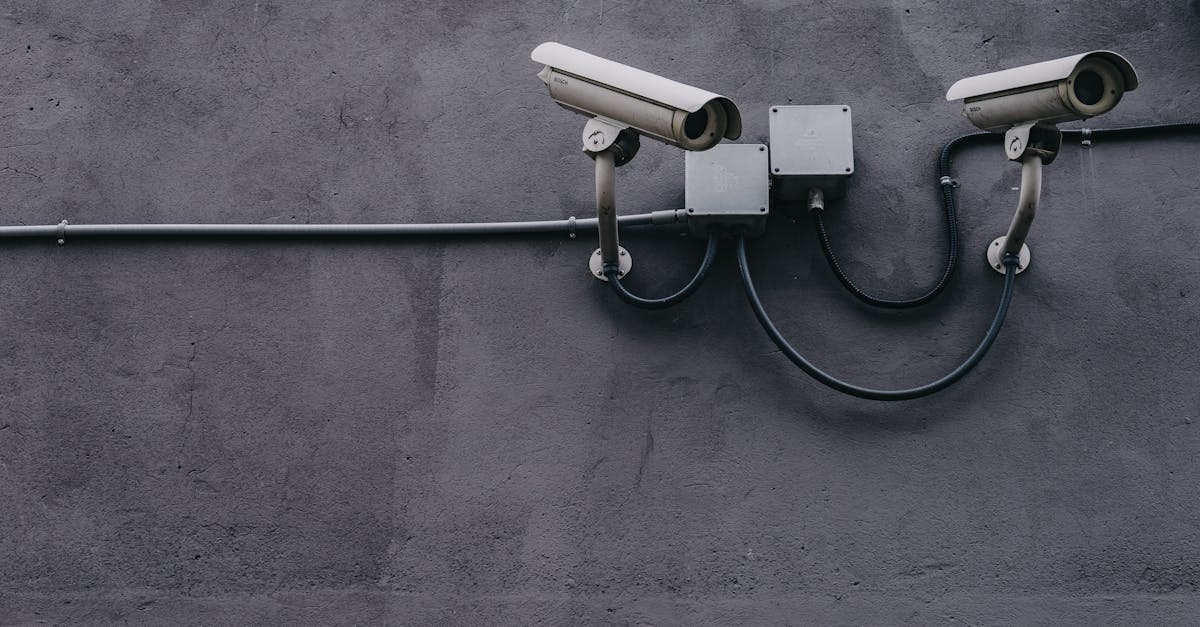
Analyzing the Public’s Concerns Over Surveillance Transparency in Sydney
Table Of Contents
Community Response to Surveillance Measures
Concerns surrounding surveillance measures in Sydney have sparked significant public discourse. Many residents express unease about the extent of monitoring, feeling that their privacy is compromised. This sentiment is prevalent in community meetings and online forums, where individuals share experiences and apprehensions regarding the potential misuse of collected data.
Grassroots organisations have emerged in response to these worries, advocating for increased transparency and accountability from local authorities. Public awareness campaigns aim to educate citizens about their rights and the implications of surveillance technologies. Activists work to foster dialogue between the community and government, pushing for measures that ensure oversight in implementing surveillance practices.
Organised Movements and Public Protests
Grassroots organisations have emerged as powerful voices against increasing surveillance in Sydney. Coordinated efforts by various advocacy groups have sparked public interest and concern regarding privacy violations. These movements often consist of a diverse array of community members, including civil rights activists, tech-savvy individuals, and concerned citizens. Public protests have become commonplace in response to local government initiatives perceived as invasive. Demonstrations attract attention, influencing wider community conversations about the implications of surveillance technologies.
The protests serve not only as a platform for expressing dissent but also as a rallying point for like-minded individuals. Organisers often collaborate with legal experts and privacy advocates to educate participants about their rights and the potential consequences of unchecked surveillance. Through rallies, forums, and social media campaigns, these groups aim to empower the public, fostering a culture of active engagement. Many seek to motivate citizens to demand greater accountability from local authorities, promoting a dialogue about the balance between safety and individual privacy in an increasingly monitored society.
Legislative Framework Governing Surveillance
The legal basis for surveillance operations in Australia is primarily derived from both federal and state laws. Various acts define how surveillance can be conducted, addressing issues of privacy and the rights of individuals. The Privacy Act 1988 establishes key principles regarding the collection and handling of personal information. Meanwhile, state legislation, such as the Surveillance Devices Act, specifies the circumstances under which surveillance devices can be used in public and private settings. These laws aim to balance the interests of law enforcement and security agencies with the community's expectation of privacy.
Recent discussions around the adequacy of existing laws have intensified as societal concerns regarding surveillance practices have surfaced. Proposed reforms include more stringent oversight of surveillance technologies and clearer guidelines on data management. Advocates argue for enhanced transparency measures to inform the public about surveillance operations being conducted in their communities. These developments reflect an evolving understanding of privacy rights in the digital age and the necessity for legislative frameworks to keep pace with technological advancements.
Current Laws and Proposed Reforms
In Australia, various laws govern surveillance practices, aiming to balance public safety with individuals' rights to privacy. The major pieces of legislation include the Surveillance Devices Act and the Privacy Act, which establish guidelines on how surveillance can be conducted and the extent to which it can intrude on private lives. These laws mandate strict oversight and set limits on the use of surveillance technology by both government and private entities.
Recent discussions among policymakers have raised concerns about the adequacy of existing laws in light of advancing technologies. Proposals for reform have emerged, focusing on increasing transparency and accountability in the use of surveillance. Advocacy groups argue for stronger safeguards to protect citizens from potential abuses, while some legislators seek to streamline regulatory processes to enhance security measures. The interplay between these perspectives remains a focal point in the ongoing debate over surveillance practices in Sydney.
The Role of Media in Shaping Public Perception
Media coverage of surveillance practices in Sydney has significantly influenced public understanding and sentiment. Reports often highlight instances of invasive monitoring, stirring concerns about privacy and civil liberties. With debates surrounding these issues frequently dominating news cycles, the public becomes increasingly aware of the implications of surveillance technology. Social media platforms provide another layer, with discussions and activism flourishing, amplifying voices that demand transparency and accountability.
Journalists play a pivotal role in uncovering the complexities surrounding surveillance initiatives. They investigate the fine print of legislation and the actions of authorities, uncovering stories that might otherwise remain overlooked. Critical reporting not only informs citizens but also fuels public discourse, shaping opinions and potentially inspiring collective action. As the media continues to engage with these topics, it remains crucial in ensuring that community concerns remain at the forefront of the conversation regarding surveillance in Sydney.
Coverage of Surveillance Issues in Sydney
The media landscape in Sydney plays a crucial role in highlighting surveillance issues faced by communities. News outlets frequently report on new surveillance technologies adopted by local authorities, focusing on their implications for privacy rights and civil liberties. Investigative journalism has often brought attention to specific incidents where surveillance measures may have overstepped boundaries, prompting public inquiry and concern.
Public discourse surrounding surveillance is shaped significantly by media coverage. This includes discussions of transparency, accountability, and the ethical considerations inherent in surveillance practices. Various platforms, from traditional newspapers to online forums, offer diverse perspectives, adding depth to the conversation and fostering community engagement. As a result, residents are more informed about the complexities and potential consequences of increased surveillance within urban spaces.
FAQS
What are the main concerns of the public regarding surveillance in Sydney?
The main concerns include a lack of transparency about surveillance measures, potential violations of privacy rights, the misuse of surveillance data, and the overall impact on civil liberties.
How have community movements responded to surveillance measures in Sydney?
Community movements have organised protests, campaigns, and discussions to raise awareness and advocate for greater accountability and transparency in surveillance practices.
What legislative framework currently governs surveillance in Sydney?
The legislative framework includes various laws that regulate surveillance practices, such as privacy legislation, anti-terrorism laws, and local council regulations. These laws outline the limits and requirements for using surveillance technology.
Are there any proposed reforms to the existing surveillance laws?
Yes, there are ongoing discussions and proposed reforms aimed at improving transparency, enhancing privacy protections, and establishing clearer guidelines for the use of surveillance technologies by both government and private entities.
How does the media influence public perception of surveillance issues in Sydney?
The media plays a significant role by covering surveillance issues, highlighting public concerns and protests, and providing analysis on the implications of surveillance practices. This coverage can shape public opinion and influence policy discussions.
Related Links
Perceptions of Effectiveness: Do Sydney-siders Believe Surveillance Reduces Crime?How Sydney Residents View the Rise of Surveillance Measures
The Role of Public Consultation in Shaping Surveillance Policies in Sydney
Trust in Government: How Surveillance Legislation Shapes Public Opinion
Fear or Security? Understanding Sydney's Response to Surveillance Laws
The Effect of Media Representation on Public Perception of Surveillance