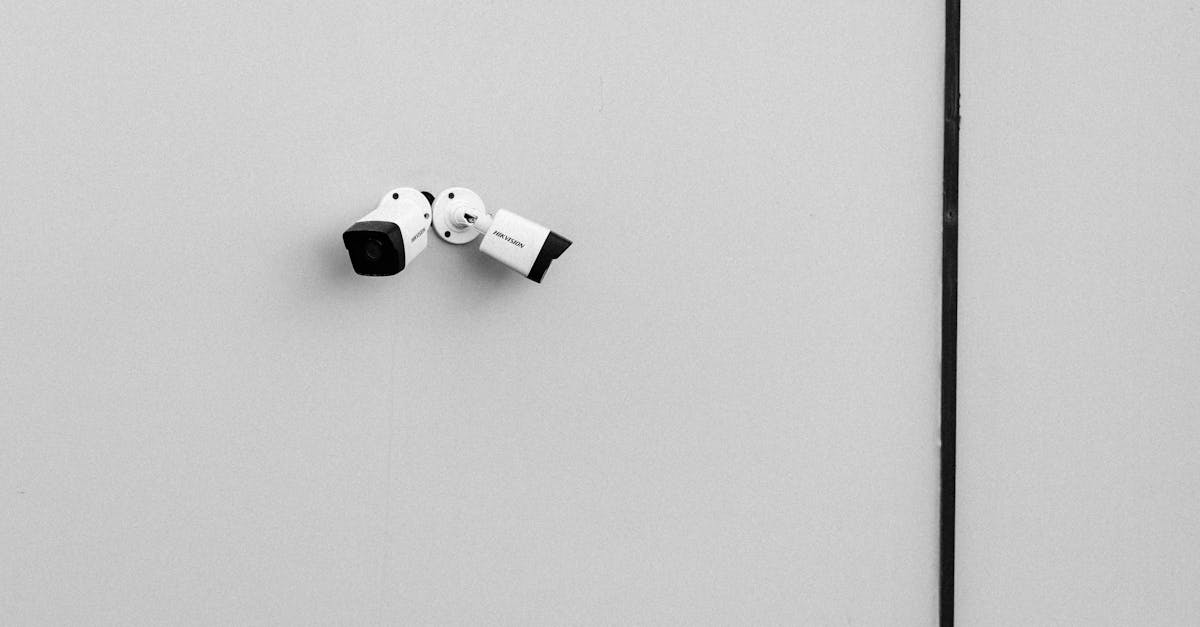
Transparency in Surveillance Practices: A Necessary Ethical Standard
Table Of Contents
Balancing Security and Privacy
The tension between security and privacy has become increasingly pronounced in today’s interconnected world. Authorities often argue that surveillance measures are necessary to combat crime and terrorism. However, this justification raises concerns over the extent to which personal freedoms are compromised. Striking a balance requires careful consideration of both public safety and individual rights. The effectiveness of security measures must be weighed against the potential for abuse and the erosion of civil liberties.
Individuals are increasingly aware of their rights and expect transparency from their governments regarding surveillance practices. Many are concerned that intrusive monitoring could lead to a chilling effect on free expression and dissent. Engaging the public in discussions about surveillance can foster trust and accountability. This engagement should not merely be a formality but a genuine effort to involve citizens in decision-making processes, ensuring their voices are heard in shaping policies that affect their privacy.
The Ethical Dilemma of Surveillance Measures
Surveillance measures often present a conundrum, weighing public safety against individual privacy rights. Governments and organisations implement such practices to deter crime and enhance security. However, the potential for misuse creates a contentious environment. Citizens may feel their autonomy is jeopardised, leading to distrust in institutions tasked with their protection.
Ethical considerations arise when determining the extent of surveillance required to ensure safety without infringing upon personal freedoms. The boundaries between necessary oversight and intrusive monitoring can blur, prompting questions about accountability and transparency. Balancing these elements necessitates a nuanced approach, one that respects civil liberties while recognising the legitimate need for security in society.
Case Studies of Surveillance Practices
Surveillance practices have been subjected to scrutiny across various contexts, revealing the complex interactions between government oversight and individual rights. In Australia, the implementation of the Assistance and Access Act 2018 prompted significant debate. This legislation allows law enforcement agencies to compel technology companies to provide access to encrypted communications. Critics argue that while such measures are aimed at improving national security, they could undermine the privacy of everyday citizens and set a concerning precedent for government overreach.
In the United Kingdom, the use of facial recognition technology by law enforcement agencies has prompted both support and criticism. Proponents view it as a valuable tool for combatting crime and enhancing public safety. Opponents raise alarms about potential misuse and the lack of transparency surrounding data handling. The experience of cities deploying this technology serves as a case study highlighting the need for ethical guidelines to ensure that surveillance practices do not infringe on personal freedoms while addressing legitimate security concerns.
Lessons from Global Experiences
Countries worldwide provide varied approaches to surveillance practices, revealing critical lessons on the balance between security and individual rights. For instance, in Scandinavian nations, transparency in governmental actions has fostered trust among citizens, leading to more cooperative relationships between the public and law enforcement. These countries often engage in public discourse surrounding surveillance measures, creating frameworks that reflect societal values while addressing security concerns.
In contrast, experiences from nations with less transparency demonstrate the potential pitfalls of unchecked surveillance. Citizens in these environments report heightened distrust towards authorities and widespread fear regarding privacy violations. The absence of ethical oversight and public engagement can lead to abuses of power, undermining the very principles that justifies surveillance in the first place. By examining these contrasting global experiences, it becomes evident that ethical standards in surveillance practices must prioritise transparency to ensure respect for civil liberties.
The Impact of Technology on Surveillance
Rapid advancements in technology have transformed the landscape of surveillance, enabling the collection and analysis of vast amounts of data. Wide-reaching implications arise from the integration of artificial intelligence, facial recognition, and location tracking. These tools have increased the efficiency of monitoring practices. However, they also raise concerns about the potential for misuse and the erosion of civil liberties, necessitating a thorough examination of their ethical ramifications.
The proliferation of devices equipped with cameras and data-gathering capabilities has blurred the lines between public safety and personal privacy. With the advent of smart technologies, including smartphones and smart home devices, individuals are often unaware of the extent of surveillance they are subjected to. This reality complicates the conversation around consent and awareness, highlighting the urgent need for regulations that address the evolving capabilities of monitoring technologies while protecting individual freedoms.
Emerging Tech and Its Ethical Implications
Advancements in technology have introduced new tools for surveillance that can significantly enhance security measures. Drones, facial recognition software, and artificial intelligence analysis create a system capable of monitoring individuals in unprecedented ways. The deployment of these technologies can lead to increased safety in public spaces while also raising fundamental questions around individual privacy rights. There is a fine line between utilising technology for protective purposes and infringing upon personal liberties.
The ethical implications of these surveillance tools are vast and multifaceted. While they offer the potential to prevent crime and enhance law enforcement capabilities, the risk of misuse remains substantial. Concerns about bias in algorithms used for facial recognition and the potential for mass surveillance have sparked debates regarding the balance between societal safety and individual freedoms. As technology continues to evolve, the need for robust ethical frameworks becomes increasingly urgent to ensure that the use of surveillance technologies respects privacy and upholds democratic values.
FAQS
What is the main focus of the article on transparency in surveillance practices?
The article focuses on the ethical necessity of transparency in surveillance practices, highlighting the need to balance security measures with the protection of individual privacy rights.
Why is transparency important in surveillance measures?
Transparency is crucial because it helps build public trust, ensures accountability, and allows individuals to understand how their data is being used and monitored, thereby enhancing ethical standards in surveillance practices.
What are some ethical dilemmas associated with surveillance?
Ethical dilemmas in surveillance often include issues of privacy invasion, the potential for abuse of power, and the challenge of ensuring that surveillance is conducted fairly and justly without discrimination.
How do global case studies inform our understanding of surveillance practices?
Global case studies provide valuable insights into the effectiveness, challenges, and ethical implications of various surveillance practices, allowing policymakers and the public to learn from different contexts and experiences.
What role does technology play in shaping surveillance practices?
Technology significantly impacts surveillance by enabling more sophisticated data collection and analysis methods. However, it also raises ethical concerns regarding consent, privacy, and the potential misuse of these technologies.
Related Links
Ethical Considerations in the Use of Facial Recognition TechnologyBalancing Security and Personal Freedoms in Sydney's Surveillance Debate
The Role of Consent in Public Surveillance Ethics
Assessing the Impact of Surveillance on Marginalised Communities
Ethical Challenges in the Deployment of Drone Surveillance