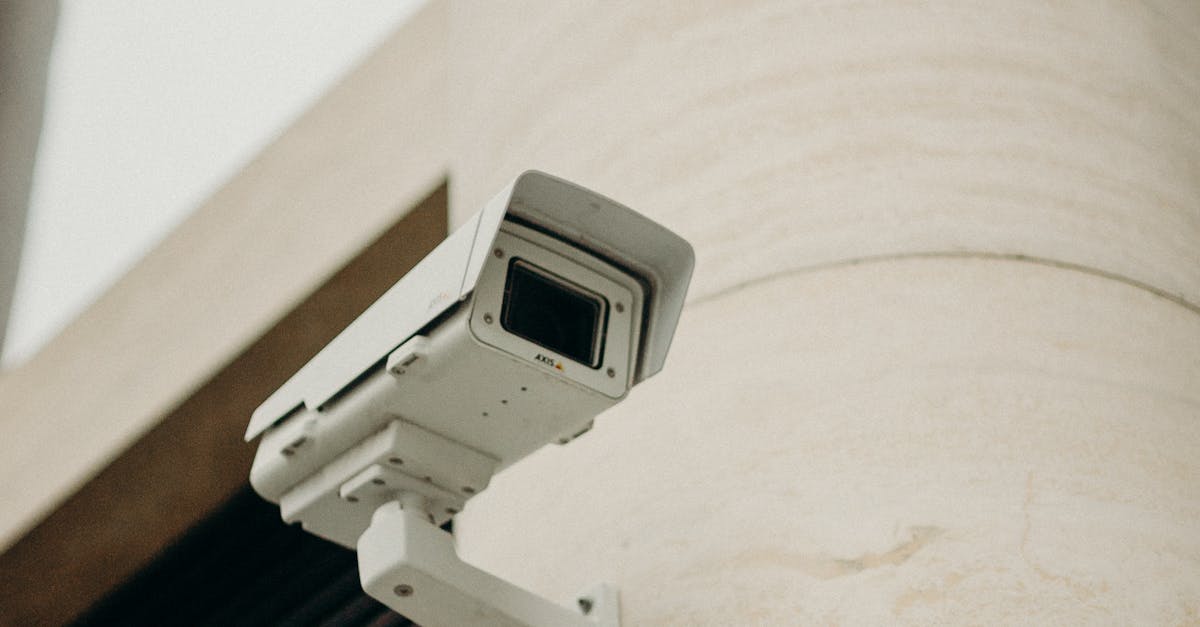
The Correlation Between Increased Surveillance and Decreased Vandalism Incidents
Table Of Contents
Community Reactions to Increased Surveillance
The introduction of increased surveillance measures has sparked a variety of responses from community members. Some residents view these enhancements as a necessary step towards ensuring public safety. They argue that the presence of cameras and monitoring systems acts as a deterrent to crime, particularly vandalism, which can significantly affect the quality of life in neighbourhoods. On the other hand, a segment of the population expresses concern over privacy infringement. Many feel that constant surveillance could lead to a sense of being watched, fostering distrust among community members.
Community forums often reflect this divided sentiment, where discussions revolve around the balance between safety and individual rights. Residents advocating for enhanced security highlight the need for protection against vandalism and related crimes, contending it can improve overall community morale. Meanwhile, privacy advocates push back, calling for transparency in how surveillance footage is used. They emphasise the importance of establishing trust between local authorities and the public, as well as seeking assurances that surveillance will not be misused.
Balancing Safety and Privacy Concerns
The introduction of increased surveillance often raises significant concerns regarding personal privacy. Many community members express unease about the potential for constant monitoring to infringe on their daily activities. This apprehension is compounded by the fear of misuse of collected data, leading to a growing debate about the right balance between security and individual freedoms. Citizens frequently question how much of their personal information is being recorded, stored, and potentially exploited, making transparency in surveillance practices essential.
On the other hand, proponents argue that enhanced security measures are crucial for maintaining public safety and reducing crime rates. They emphasise that surveillance technologies can act as strong deterrents against vandalism and other criminal behaviours. Striking a balance involves implementing responsible practices that protect privacy while still providing community safety. Public consultations and clear guidelines can offer citizens reassurance and create a sense of shared responsibility in establishing effective surveillance systems.
Legal Implications of Surveillance
The implementation of increased surveillance in public and private spaces raises significant legal concerns. Australian privacy laws protect individuals from unwarranted intrusion, requiring proper justification for surveillance measures. These laws outline the need for transparency regarding the purpose of surveillance and how collected data will be used. Authorities must also ensure that surveillance technologies comply with legislative frameworks, which vary across states and territories, adding another layer of complexity to the legal landscape.
Moreover, the deployment of surveillance systems can lead to potential liabilities for entities that misuse or inadequately secure personal data. Individuals captured by surveillance systems have rights regarding their image and identity within public spaces. Legal repercussions can arise from both governmental and corporate misuse of surveillance footage, highlighting the need for clear guidelines and accountability. As communities navigate the balance between safety and individual rights, the legal implications of surveillance must remain at the forefront of discussions around its implementation.
Understanding Privacy Laws in Australia
Australia’s privacy laws are primarily governed by the Privacy Act 1988. This legislation outlines how personal information is collected, used, and disclosed by businesses and government agencies. The Act applies to a range of organisations, establishing certain obligations regarding the handling of personal data. Individuals are granted rights to access their information and seek corrections when necessary. With the rise of surveillance technologies, understanding these privacy protections is increasingly vital for ensuring that individuals’ rights are not infringed upon in the name of safety.
Additional privacy regulations may apply at both state and territory levels, further complicating the landscape. For instance, certain regions have enacted specific laws geared towards protecting the privacy of individuals in relation to surveillance activities. The complexity of these regulations often requires organisations to navigate a maze of compliance requirements. As communities embrace enhanced surveillance measures to deter vandalism, it becomes essential to balance these initiatives with adherence to established privacy laws. Awareness of the legal frameworks will foster responsible surveillance practices while safeguarding citizens' rights.
The Economic Benefits of Reduced Vandalism
Decreased vandalism translates directly into economic advantages for communities. Local businesses often face expenses associated with repairs, insurance premiums, and lost revenue when vandalism occurs. A reduction in these incidents allows them to allocate funds towards growth and development rather than damage control. The overall atmosphere of safety also attracts customers, who feel more comfortable visiting areas with lower crime rates.
Public funds benefit as well, with less money required for law enforcement resources and community clean-up initiatives. Taxpayers notice the effects in their local budgets, as municipalities can redirect funds from crime prevention efforts towards improving public infrastructure. Enhanced security measures, such as surveillance, contribute to a more stable economic environment where both residents and industries can thrive without the looming threat of vandalism.
Cost-Effectiveness of Enhanced Security Measures
Enhanced security measures, including surveillance systems, can lead to significant cost savings for communities and businesses affected by vandalism. By deterring potential offenders through increased monitoring, entities can avoid the expenses tied to property damage and subsequent repairs. This proactive approach mitigates the need for financial resources that would otherwise be allocated to restoration efforts, enabling more investment in community enrichment and infrastructure.
Furthermore, the implementation of effective security solutions can lower insurance premiums. Insurance companies often take into account the risk of vandalism when determining rates, and properties with enhanced security measures may be viewed as lower-risk. This financial relief can have a compounding effect, allowing businesses and local councils to divert funds towards other improvements or initiatives that further benefit the community.
FAQS
What is the main focus of the article?
The article explores the relationship between increased surveillance measures and the subsequent decrease in vandalism incidents within communities.
How do community members typically react to increased surveillance?
Community reactions can vary; some individuals feel safer and more secure, while others express concerns about privacy and the potential for misuse of surveillance technology.
What are the privacy concerns associated with increased surveillance?
Privacy concerns often revolve around the potential for constant monitoring, data collection without consent, and the risk of surveillance being used for purposes beyond public safety.
What legal implications should be considered regarding surveillance?
Legal implications include understanding privacy laws and regulations that govern the use of surveillance technology, ensuring compliance to avoid legal repercussions.
How can reduced vandalism benefit the economy?
Reduced vandalism can lead to lower repair costs, increased property values, and a more positive community image, which can attract businesses and tourism, ultimately benefiting the local economy.
Are enhanced security measures cost-effective in the long run?
Yes, while initial investments in surveillance systems may be high, the long-term savings from reduced vandalism and associated costs can make these measures cost-effective.
Related Links
Evaluating the Success of CCTV in Reducing Theft in Public Transport SystemsPublic Surveillance and Its Influence on Drug-related Crime Rates in Sydney
A Comparative Study of Crime Rates Before and After Surveillance Installation
Analyzing the Effectiveness of Public Surveillance in Enhancing Community Safety
Sydney Crime Reduction: A Statistical Analysis of Surveillance Programs