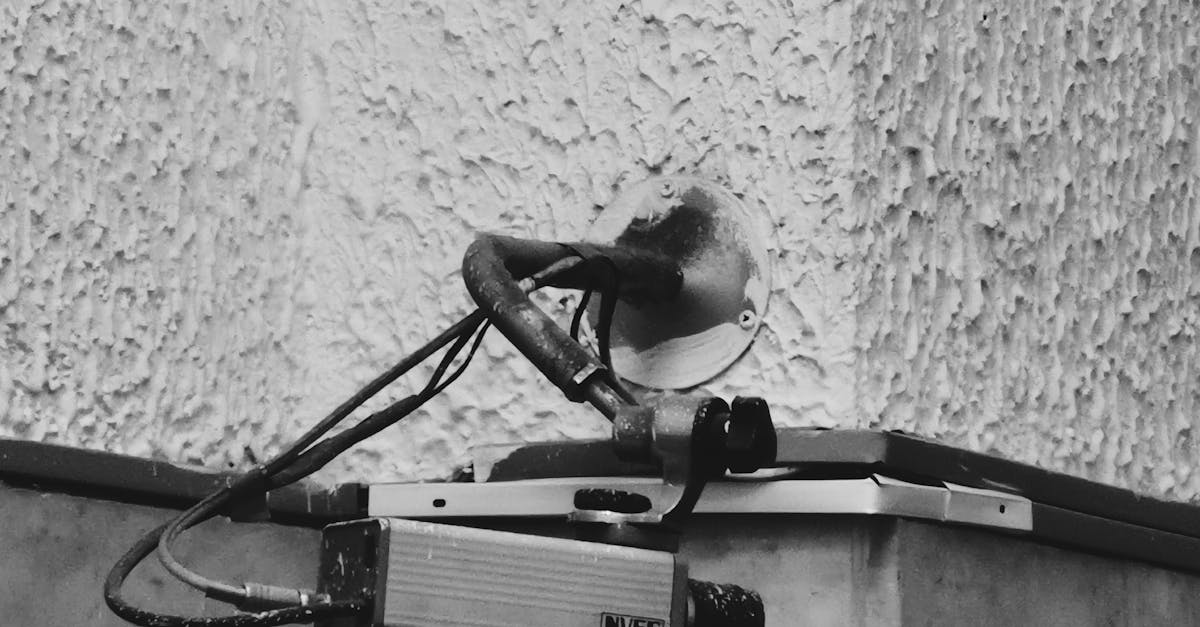
Maintenance Strategies for Effective Private Security Systems
Table Of Contents
Effective Monitoring Techniques
Regular observation is crucial for maintaining the effectiveness of private security systems. Surveillance cameras play a vital role in this process. They provide continuous footage that can be reviewed for suspicious activity. The placement of these cameras should cover all critical areas, especially entry and exit points. Additionally, integrating motion detection technology can enhance response times. Alerts generated by these systems can prompt immediate action, reducing the potential for criminal activity.
Another essential aspect of effective monitoring involves the use of alarm systems. These systems serve as both a deterrent and a means of alerting personnel to potential breaches. Regular testing of alarms is necessary to ensure their functionality. Creating a schedule for these checks can help identify any issues before they become significant problems. Moreover, combining video surveillance with alarm notifications can create a comprehensive monitoring approach. This layered strategy bolsters the security framework, ensuring a higher level of protection against threats.
Utilizing Technology for Enhanced Security
The integration of advanced technology significantly boosts the effectiveness of security systems. Surveillance cameras equipped with high-resolution imaging are now standard, allowing for clear identification even in low-light conditions. Furthermore, the advent of smart technology has enabled real-time monitoring through mobile applications. Users can receive instant alerts and respond promptly to any suspicious activity, enhancing the overall safety of a property.
Artificial intelligence plays a pivotal role in modern security systems. AI algorithms can analyse vast amounts of data quickly, identifying patterns that may signify a security threat. Facial recognition technology and motion detection sensors add an extra layer of protection. These innovations not only provide peace of mind but also allow for proactive measures to be taken before incidents occur. Reliance on technology in security systems is becoming an essential aspect of contemporary safety practices.
Addressing Common Security Issues
Vulnerabilities in private security systems often emerge due to outdated technology or lack of regular updates. Regular assessments can pinpoint these weaknesses, ensuring that the latest security protocols are in place. Additionally, improper installation can lead to blind spots, making it essential to review the system setup periodically. Identifying areas where breaches may occur allows for timely interventions, enhancing overall safety.
Another common issue arises from inadequate training of personnel responsible for monitoring the systems. Operators must understand how to use the equipment effectively and respond to alarms swiftly. Providing comprehensive training sessions can mitigate human error, which frequently leads to security lapses. Regular refresher courses also ensure that staff stay informed about evolving threats and can adapt their response strategies accordingly.
Identifying Vulnerabilities in Security Systems
A thorough assessment of a security system is crucial for identifying potential weaknesses. One commonly overlooked area is the personnel involved in managing security protocols. Regular training and drills can ensure that staff are equipped to handle unexpected situations effectively. Additionally, outdated technology can create loopholes that may be exploited by intruders. Routine evaluations of equipment and software will help maintain system integrity against evolving threats.
Physical vulnerabilities warrant equal attention. Entry points such as doors and windows must be regularly inspected for quality and strength. The placement of surveillance cameras should also be strategically analysed to cover blind spots. Conducting a comprehensive security audit will highlight areas requiring improvement while providing actionable insights to bolster overall security effectiveness.
Engaging Professional Services
Hiring professionals for security system maintenance can significantly enhance the effectiveness of overall protection strategies. These experts bring a wealth of knowledge and experience, enabling businesses and individuals to identify potential weaknesses in their current setups. Regular assessments conducted by trained personnel help pinpoint areas needing improvement and ensure that all systems function at optimal levels. Engaging specialised services can also introduce innovative solutions tailored to specific security needs.
Choosing the right provider involves thorough research and analysis. Prospective clients should evaluate the reputation of security companies through reviews and past performance. Certifications and industry recognition play a critical role in determining a provider's competence. Furthermore, establishing a good communication channel with the selected service ensures that clients remain informed about updates or necessary changes, fostering a proactive approach to security maintenance.
Choosing the Right Security Maintenance Provider
Selecting a security maintenance provider requires careful consideration of various factors. It's essential to assess the experience and reputation of the company. Look for providers who have a strong track record in the industry. Client reviews and testimonials can offer insights into the quality of their services. Additionally, ensure the provider has experience with the specific security systems in use, as familiarity can lead to more effective maintenance and support.
Another important aspect is the range of services offered by the provider. Security needs can vary widely depending on the environment, so a comprehensive approach ensures all aspects of security are addressed. Consider whether the provider offers 24/7 support and emergency response services. Evaluate their ability to adapt to new technologies and evolving security threats. A responsive and knowledgeable provider can significantly enhance the overall effectiveness of security systems in place.
FAQS
What are the key components of an effective private security system?
An effective private security system typically includes a combination of surveillance cameras, alarm systems, access control measures, and professional monitoring services, all tailored to meet the specific needs of the property being secured.
How can technology enhance my security system?
Technology can enhance your security system through features like remote monitoring via smartphones, integration with smart home devices, and advanced analytics for identifying unusual patterns or behaviours, thereby increasing overall safety and response times.
What are common vulnerabilities in security systems?
Common vulnerabilities include outdated equipment, lack of regular maintenance, weak passwords, unsecured networks, and insufficient training for personnel on security protocols, all of which can undermine the effectiveness of a security system.
How often should I engage professional services for security system maintenance?
It is recommended to engage professional services for security system maintenance at least annually. However, depending on the complexity and usage of the system, more frequent check-ups may be beneficial to ensure optimal performance.
What should I consider when choosing a security maintenance provider?
When choosing a security maintenance provider, consider their experience and reputation, the range of services offered, response times, customer support, and whether they provide tailored solutions that align with your specific security needs.
Related Links
Best Practices for Installing CCTV Systems in Sydney HomesUpgrading Existing Surveillance Systems for Enhanced Security
Seasonal Maintenance Checks for Home Surveillance Systems
Essential Tools and Equipment for Installing Security Systems
Professional vs DIY: Installation of Private Security Systems in Sydney
DIY Installation Tips for Home Security Cameras
Common Installation Errors to Avoid with Private Security Solutions
Ensuring Optimal Functionality of Security Systems Through Regular Maintenance