Legal Protections for Personal Data in Surveillance Operations
Table Of Contents
Surveillance Technologies and Privacy Concerns
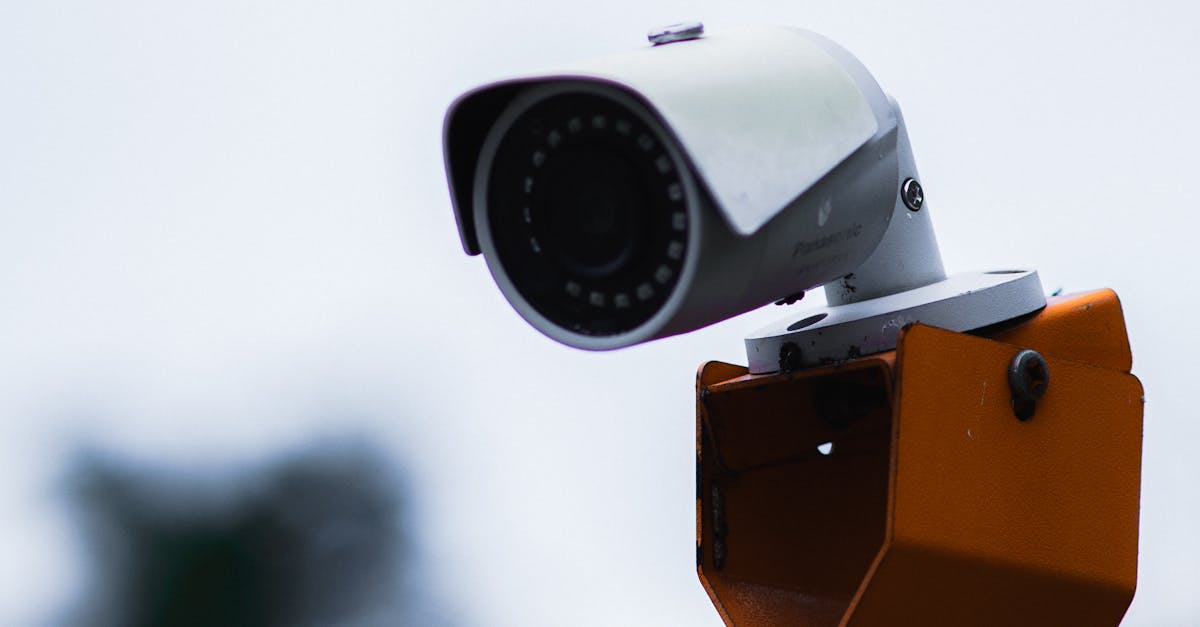
The rapid advancement of surveillance technologies has significantly intensified privacy concerns among individuals and advocacy groups. Devices equipped with facial recognition capabilities, drones, and other monitoring tools have transformed the ways in which personal data is collected and processed. This shift raises questions about the extent to which individuals are aware of their surveillance and the potential misuse of their data. Many people find themselves navigating a landscape where their movements and interactions are constantly tracked, often without their explicit consent.
Concerns about surveillance are compounded by the potential for data breaches and misuse of information by third parties. With increasing incidents of hacking and unauthorized access to data, the safety of personal information becomes a pressing issue. Public trust diminishes when individuals perceive that their privacy is vulnerable. These technological advancements continue to evolve, necessitating robust discussions surrounding the balance between security measures and the fundamental right to privacy.
Impact of Emerging Technologies on Personal Data
The rise of sophisticated surveillance technologies has transformed how personal data is collected and managed. With advances in artificial intelligence, machine learning, and biometric recognition, the ability to gather information from various sources has increased significantly. These technologies often operate in real-time, leading to concerns about constant monitoring and the erosion of privacy. The aggregation and analysis of personal data can create detailed profiles without individuals' awareness or consent, raising ethical and legal dilemmas regarding the value of individual privacy versus public safety.
Moreover, the rapid development of Internet of Things (IoT) devices raises further questions about data protection. Everyday objects, from smart home systems to wearable fitness trackers, continuously collect personal information. As these devices become increasingly interconnected, the potential for data breaches, misuse, or unauthorized access grows exponentially. This evolving landscape necessitates a reassessment of existing legal frameworks to ensure that personal information is adequately protected amidst the expanding capabilities of these new technologies.
International Comparisons of Data Protection Laws
Different countries have varied approaches when it comes to data protection laws in the context of surveillance operations. In the European Union, the General Data Protection Regulation (GDPR) sets a high standard, emphasising individuals' rights over personal data and requiring strict consent for its use. This framework provides strong enforcement mechanisms, with significant penalties for non-compliance, reflecting the region's commitment to privacy as a fundamental human right.
In contrast, the United States has a more fragmented approach, relying on sector-specific regulations rather than a comprehensive federal law. This can lead to inconsistencies, as various states enact their own policies that may not align with national practices. Australia, while having its own privacy laws, often finds itself in a middle ground, balancing the need for effective surveillance with the rights of individuals. The nation’s regulatory framework reflects aspects of both the GDPR and the US model, striving to protect personal information while accommodating national interests in security and surveillance.
How Australia's Framework Stacks Up Against Global Standards
Australia's data protection framework, primarily governed by the Privacy Act 1988, establishes a baseline for personal data handling by both government entities and private organisations. The Act is designed to protect information while also accommodating the needs of law enforcement and national security. Key principles such as transparency, accountability, and individual rights align with broader international standards, yet some critics argue the framework lacks the robustness seen in the European Union's General Data Protection Regulation (GDPR), particularly regarding consent and individual control over personal data.
Comparative analysis reveals variances in enforcement and compliance mechanisms. While Australia maintains a regulatory body, the Office of the Australian Information Commissioner (OAIC), its capacity and authority differ from agencies in jurisdictions like the EU. Additionally, there are fewer penalties for breaches in Australia, which may reduce incentives for organisations to adhere strictly to protective measures. As a result, the effectiveness of Australia's framework in safeguarding personal data during surveillance operations is a topic of ongoing debate among privacy advocates and policymakers.
Individual Rights Under Australian Law
Individuals in Australia possess a range of rights regarding their personal information, primarily governed by the Privacy Act 1988. This legislation ensures that people have the right to access personal data held about them by organisations and agencies. Additionally, individuals can request corrections to their information if it is incorrect, misleading, or outdated. This framework encourages transparency and empowers citizens to take control over their own data. The act reinforces the principle that individuals should be aware of how their data is collected, used, and disclosed.
Rights also extend to the management of personal information in the context of surveillance operations. Individuals can inquire about the data that organisations may collect through surveillance technologies. Agencies are obliged to inform people about the purpose of data collection and provide avenues for individuals to challenge any misuse of their information. This accountability fosters trust in the handling of personal data amidst growing concerns surrounding surveillance practices. As technology advances, these rights remain crucial in safeguarding personal information within the evolving landscape of privacy and security.
Rights to Access and Correct Personal Information
Individuals have the right to access their personal information held by government agencies and private organisations under Australian law. The Privacy Act 1988 provides a framework that allows Australians to request copies of their data and obtain details about how that information is being used. This right is crucial for empowering citizens to understand what data is collected about them and how it may impact their privacy.
In addition to access, individuals can request corrections to any inaccurate or incomplete data. This capability helps maintain the integrity of personal information and ensures that organisations are held accountable for keeping records up to date. The process typically involves notifying the agency or organisation of specific inaccuracies, prompting them to investigate and amend the information when necessary. Such measures are vital for protecting individuals' privacy rights in an environment increasingly shaped by surveillance technologies.
FAQS
What are the main privacy concerns associated with surveillance technologies?
Surveillance technologies can lead to significant privacy concerns, including the potential for misuse of personal data, unauthorized surveillance, and erosion of trust between individuals and institutions. These technologies often collect vast amounts of data without consent, raising questions about individual rights and data security.
How do emerging technologies impact personal data protection?
Emerging technologies, such as artificial intelligence and the Internet of Things, can complicate personal data protection by enabling more extensive data collection and analysis. This can lead to increased risks of data breaches and misuse, making it crucial for legal frameworks to adapt and provide adequate protections for individuals' personal data.
How does Australia’s data protection framework compare to other countries?
Australia’s data protection framework is generally considered robust; however, it may lag behind the more comprehensive models of some countries like the European Union with its General Data Protection Regulation (GDPR). Australia's laws focus on transparency and individual rights, but ongoing discussions suggest there may be room for improvement to align closer with global standards.
What individual rights do Australians have regarding their personal data?
Under Australian law, individuals have the right to access their personal information, request corrections, and seek compensation for misuse of data. The Privacy Act 1988 provides guidelines for how personal information should be handled and offers mechanisms for individuals to exercise these rights effectively.
Can I correct my personal information held by surveillance organizations?
Yes, individuals have the right to request corrections to their personal information held by surveillance organizations. If you believe your data is inaccurate, incomplete, or out of date, you can contact the organization to request a correction under the Privacy Act.
Related Links
Evaluating the Effectiveness of Privacy Laws in Surveillance PracticesCommunity Reactions to Surveillance and Privacy Rights
The Evolution of Privacy Rights Amidst Growing Surveillance Measures
Case Studies on Privacy Violations in Public Surveillance
Balancing Security and Privacy: Legal Perspectives on Surveillance
Analyzing the Impact of Surveillance on Personal Privacy Expectations
The Role of Consent in Surveillance and Privacy Protection
The Intersection of Surveillance Technologies and Individual Privacy