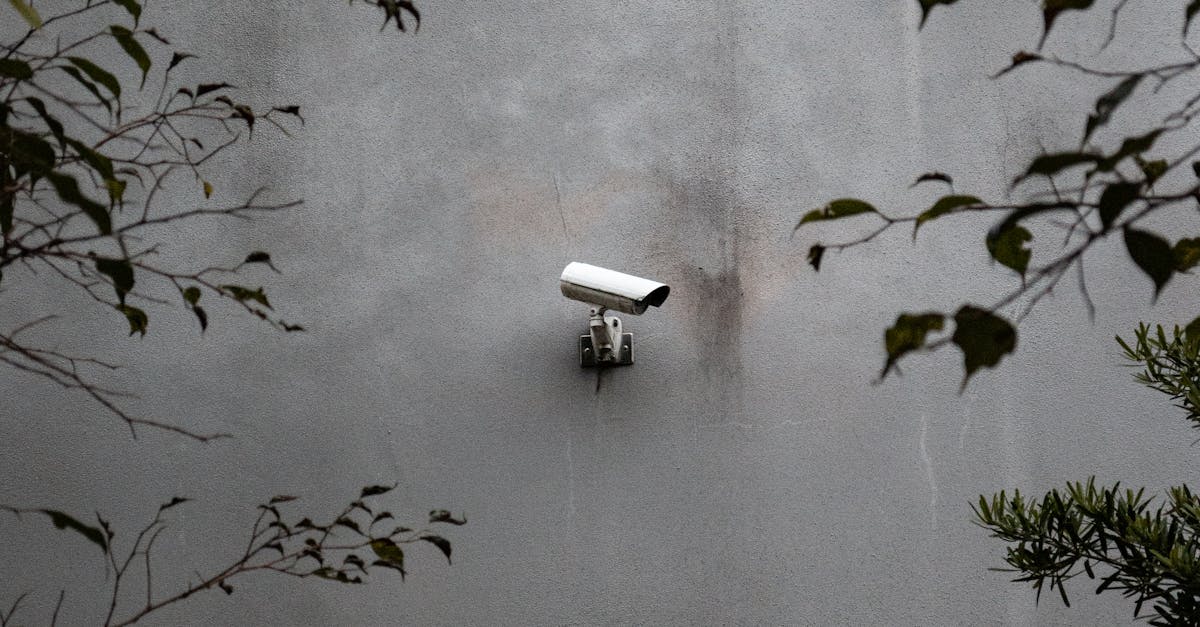
Legal Framework Governing CCTV Usage in Sydney
Table Of Contents
Data Protection and CCTV Footage
The increasing prevalence of CCTV surveillance in urban settings raises significant concerns regarding data protection and the privacy rights of individuals. In Australia, the handling of CCTV footage is governed by various laws, including the Privacy Act 1988. These regulations impose obligations on entities that collect, store, and utilise video recordings to ensure that individuals’ personal information is managed and protected adequately. Surveillance providers must be transparent about their practices, informing the public about the purpose of the footage and how it will be used.
Furthermore, the collection of CCTV footage must align with principles of necessity and proportionality. This means that organisations should only capture images that are relevant to their stated purpose, while also implementing robust security measures to protect the data from unauthorised access. Retention periods for stored footage are also specified; generally, organisations are required to dispose of footage in a manner that protects the privacy of individuals captured in the recordings. Establishing clear policies and procedures is crucial for compliance and public trust.
Retention, Access, and Security Protocols
The retention of CCTV footage in Sydney is governed by strict regulations that mandate how long recordings can be kept before being securely deleted. Typically, organisations must adhere to a retention period of no more than 30 days unless the footage is deemed necessary for ongoing investigations or legal purposes. This limited timeframe serves to balance the need for security with individual privacy rights, ensuring that excessive surveillance does not infringe upon the freedoms of residents.
Access to CCTV footage is also tightly regulated, with strict protocols in place to ensure that only authorised personnel can view or handle recorded data. This is crucial for maintaining the integrity and confidentiality of footage, which may contain sensitive information. Additionally, organisations are required to implement robust security measures to safeguard against unauthorised access or breaches. Regular audits and training for staff handling CCTV systems help to reinforce compliance with these protocols and foster a culture of accountability.
Impact of Technology Advancements on CCTV Laws
The rise of sophisticated technologies has significantly influenced the legal landscape surrounding CCTV usage in Sydney. Enhanced imaging capabilities, integration with artificial intelligence, and cloud storage options have transformed how surveillance is conducted and managed. These advancements necessitate a re-evaluation of existing regulations. The need to safeguard personal privacy and ensure ethical standards in monitoring practices has become more pressing in light of these developments.
Moreover, the incorporation of facial recognition technology raises complex legal challenges. While it can bolster security measures, it also heightens concerns about potential misuse and civil liberties violations. Authorities must grapple with establishing a regulatory framework that addresses both the benefits and risks associated with these tools. Adapting laws to keep pace with innovations is crucial for maintaining public trust while ensuring effective surveillance practices.
Emerging Issues with AI and Facial Recognition
The rise of artificial intelligence in surveillance technology has introduced complex layers of ethical and legal challenges. With facial recognition systems becoming increasingly sophisticated, concerns about privacy invasion have intensified. The capacity to identify individuals in public or private spaces without explicit consent raises questions about the balance between security and personal freedom. The potential for misuse of such technology amplifies these concerns, especially regarding its application in policing and other sensitive sectors.
Additionally, the accuracy of AI systems in facial recognition is not always guaranteed. Instances of misidentification can lead to significant repercussions for innocent individuals, including wrongful accusations or unwarranted surveillance. As these technologies evolve, the existing legal frameworks may struggle to keep pace, creating regulatory gaps that could be exploited. Stakeholders must navigate these emerging issues carefully to ensure that justice is served while maintaining the rights and liberties of individuals.
Enforcement and Penalties for Non-Compliance
Compliance with CCTV regulations is crucial for protecting individual privacy rights and maintaining public trust. In Sydney, authorities have established strict enforcement mechanisms to ensure that entities using surveillance systems adhere to legal standards. Violations can lead to thorough investigations conducted by the Office of the Australian Information Commissioner, with a range of enforcement options available. These may include fines, mandates to enhance compliance measures, or, in severe cases, criminal charges against responsible parties.
Consequences for failing to comply with CCTV laws can be significant. Not only can financial penalties arise, but reputational damage to organisations may also follow. Individuals affected by unlawful surveillance have the right to seek remedies, which can further escalate the consequences for non-compliant entities. Stricter enforcement is crucial as technology evolves, highlighting the need for continuous monitoring and adaptation of regulations to address emerging challenges in surveillance practices.
Consequences for Violating CCTV Regulations
Violating regulations surrounding CCTV usage can lead to serious repercussions for individuals and organisations. Breaches may result in significant fines imposed by regulatory bodies, depending on the severity of the violation. In cases where data protection laws are disregarded, affected individuals may also pursue civil action against those responsible, seeking compensation for any harm suffered due to improper handling of their personal information.
In addition to financial penalties, non-compliance with CCTV regulations can damage an entity’s reputation. Public trust erodes when there are reports of unlawful surveillance practices or mishandling of footage. Companies or organisations found guilty of such violations may face an increase in scrutiny from both regulatory agencies and the public, potentially impacting their operations and standing in the community.
FAQS
What laws govern the usage of CCTV in Sydney?
The usage of CCTV in Sydney is primarily governed by the Privacy Act 1988, the Surveillance Devices Act 2007, and various local council regulations that ensure the protection of personal data and privacy rights.
How long can CCTV footage be retained under Australian law?
Under Australian law, CCTV footage should generally be retained only for as long as necessary for its intended purpose. Typically, this period can range from 30 days to several months, depending on the specific circumstances and organisational policies in place.
Who has access to the CCTV footage recorded in public spaces?
Access to CCTV footage in public spaces is generally restricted to authorised personnel, such as law enforcement and security staff. Individuals may also request access to footage that contains their personal information, subject to privacy regulations.
What are the consequences of not complying with CCTV regulations?
Non-compliance with CCTV regulations can result in significant penalties, including fines and legal action. Organisations may also face reputational damage and loss of public trust if they fail to adhere to established laws and privacy standards.
How are advancements in technology affecting CCTV laws in Sydney?
Advancements in technology, particularly in AI and facial recognition, are raising new legal and ethical issues regarding privacy, consent, and data security. As technology evolves, there is an ongoing need for regulatory updates to address these emerging challenges effectively.
Related Links
Challenges in Maintaining Coverage of CCTV Systems in SydneyThe Role of CCTV in Enhancing Public Safety in Sydney
Best Practices for Implementing CCTV in High-Traffic Areas
The Evolution of CCTV Systems in Sydney's Public Spaces
How CCTV Monitoring Shapes Crime Prevention Strategies in Sydney
Public Attitudes Towards CCTV Surveillance in Urban Areas