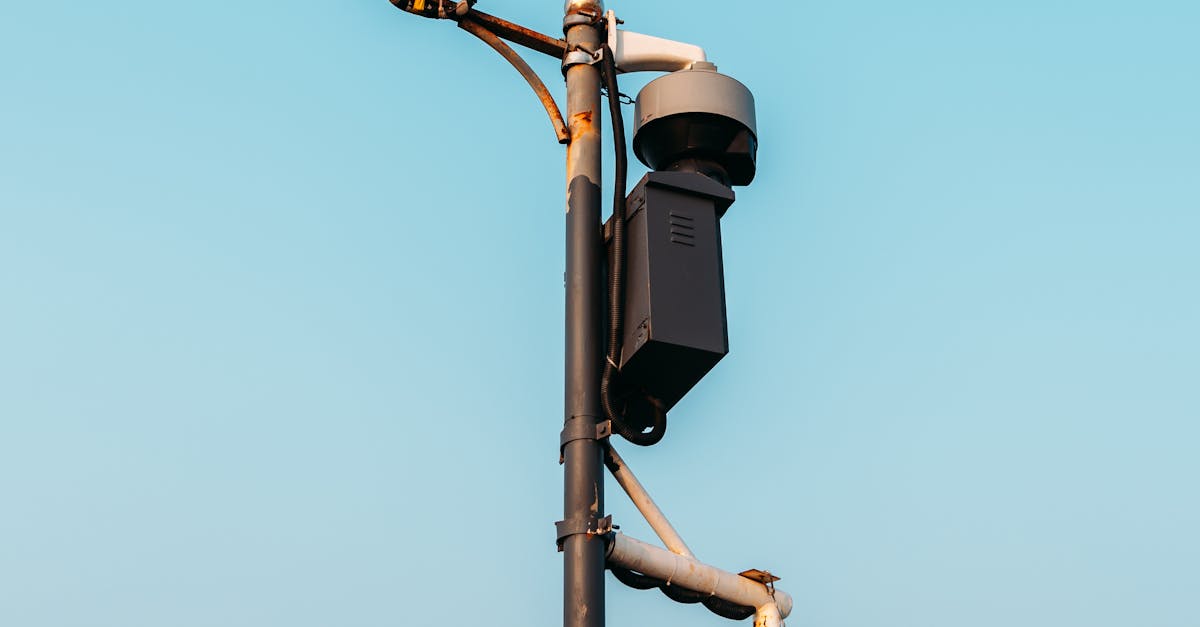
Evaluating the Effectiveness of Sydney's Government Surveillance Programs
Table Of Contents
Evaluating Effectiveness of Surveillance
The success of surveillance programs in Sydney is often measured by their ability to deter crime and enhance public safety. Statistical analyses reveal fluctuations in crime rates post-implementation of such systems. Data suggests that specific areas benefit from increased monitoring, resulting in a notable decline in property crimes. However, results can vary depending on several factors, including community engagement and the presence of complementary policing strategies.
Community perceptions also play a critical role in assessing the efficiency of these programs. While some residents feel reassured by heightened surveillance, others express concerns regarding potential overreach and privacy violations. Public opinion surveys highlight a divide; many support measures that promise safety but are wary of how far surveillance can encroach upon individual rights. This complex dynamic underscores the need for ongoing evaluation to ensure that surveillance efforts align with community values while achieving their intended security outcomes.
Crime Rate Statistics and Trends
Crime statistics in Sydney have shown a complex relationship with the introduction of government surveillance programs. Over the past few years, certain types of crime, such as property crime and vandalism, have experienced a notable decline. Law enforcement agencies attribute some of this reduction to the increased monitoring capabilities provided by surveillance technologies. Increased police presence, coupled with the deterrent effect of visible cameras, has likely contributed to this trend.
However, the correlation between surveillance and overall crime reduction remains a topic of debate among researchers and policymakers. While some reports indicate a decrease in specific categories of crime, others suggest that the effects on violent crime rates are less definitive. Many experts argue that broader social frameworks, including community engagement and social services, play a significant role in shaping crime trends, independent of surveillance initiatives. As Sydney grapples with these complexities, the conversation continues around the most effective strategies for enhancing public safety while considering the ramifications of surveillance.
Impact on Civil Liberties
The expansion of surveillance programs raises significant concerns about civil liberties. Citizens often feel a growing unease regarding the potential for overreach by authorities. Data collection practices, while designed to enhance public safety, can compromise individual privacy and freedom of expression. The continuous monitoring of public spaces can lead to a chilling effect, dissuading citizens from exercising their rights to assemble and protest.
Moreover, the lack of transparency in how surveillance data is managed exacerbates these concerns. Many individuals are unaware of the extent of surveillance activities and their implications. This uncertainty can foster a sense of distrust between the public and government agencies. Striking a balance between maintaining public safety and upholding fundamental rights remains a pressing challenge for policymakers in Sydney.
Balancing Security and Personal Privacy
In recent years, discussions surrounding government surveillance programs have intensified, highlighting the need to protect both community safety and individual privacy. With authorities expanding their monitoring capabilities, citizens are increasingly concerned about how these measures encroach upon personal freedoms. The balance between maintaining security and safeguarding civil liberties has become a critical issue for policymakers.
Public opinion reveals a complex landscape. Many Australians appreciate the need for surveillance to combat crime and enhance safety in urban environments. However, there is also a strong sentiment advocating for transparency and accountability to ensure that such programs do not lead to unwarranted invasions of privacy. Striking the right equilibrium remains a pressing challenge for city planners and law enforcement agencies as they navigate the delicate interplay of safety and personal rights.
Case Studies of Surveillance in Action
Various instances have highlighted the practical application of surveillance programs in Sydney. One notable case involved the successful identification and apprehension of a suspect in a series of thefts in the CBD. Surveillance cameras, strategically placed throughout the area, recorded the suspect's movements, which helped law enforcement track him down. This incident led to a significant reduction in similar crimes, showcasing how technology can play a pivotal role in enhancing public safety.
Another impactful case emerged during a large-scale public event, where drones were deployed to monitor crowd behaviour. The authorities closely watched for any signs of unrest or criminal activity. This use of aerial surveillance not only allowed for real-time assessments of the situation but also enabled a quicker response to any potential threats. Community feedback indicated a general acceptance of these measures, as most participants felt safer knowing that additional eyes were watching over the event.
Notable Incidents and Outcomes
In recent years, several incidents in Sydney have highlighted the effectiveness and implications of government surveillance programs. One notable case was the swift police response to a major public disturbance at a city event. Surveillance footage played a crucial role in identifying individuals involved in criminal activities, leading to subsequent arrests. This event showcased how technology can be harnessed to enhance public safety while simultaneously raising questions about the extent of monitoring in public spaces.
Another significant instance involved the investigation of a series of thefts within a prominent shopping district. Authorities utilised advanced facial recognition technology to track down suspects, resulting in apprehensions that shocked the community. While many praised the efficiency of the surveillance system in curbing crime, others expressed concerns over the erosion of anonymity in public areas. These outcomes illustrate the ongoing tension between the benefits of surveillance strategies and the potential risks to personal freedoms.
FAQS
What are Sydney's government surveillance programs aimed at achieving?
Sydney's government surveillance programs are primarily aimed at enhancing public safety, reducing crime rates, and improving emergency response times through the use of various monitoring technologies.
How effective have these surveillance programs been in reducing crime rates in Sydney?
Evaluations of crime rate statistics show varying levels of effectiveness, with some areas experiencing a decline in crime while others have seen minimal change, indicating that the impact may differ based on location and the type of monitoring implemented.
What concerns exist regarding civil liberties in relation to surveillance programs?
Concerns include potential infringements on personal privacy, the risk of abuse of power by authorities, and the chilling effect on free expression, as citizens may feel less comfortable engaging in public activities knowing they are being monitored.
How do authorities balance security needs with personal privacy rights?
Authorities aim to strike a balance by implementing strict regulations on data collection, usage, and retention, ensuring transparency in operations, and involving community input in the development of surveillance policies.
Can you provide examples of notable incidents where surveillance systems were effective in Sydney?
Yes, notable incidents include the rapid response to public safety threats, such as terrorist activities or major public disturbances, where surveillance footage has provided crucial evidence for law enforcement and aided in preventing further incidents.
Related Links
Technology Advancements in Government Surveillance Tools in SydneyAnalyzing the Funding and Resources for Government Surveillance in Sydney
The Future of Government Surveillance Policy in Sydney
Government Surveillance Legislation Impacting Sydney Residents
Mapping Government Surveillance Locations in Urban Sydney
Public Safety vs. Privacy: The Balance of Government Surveillance in Sydney
Community Responses to Government Surveillance Programs in Sydney